
I remember standing in the courtyard of the Masjid al-Haram, feeling the intense heat. It was a humbling experience. It taught me that the timing of your journey changes everything. Preparation is the soul of a successful pilgrimage.
Choosing the right season is not just about comfort. It’s about managing your energy for worship. Whether you prefer the cooler breeze or the peak season, your choice affects your journey a lot.
This umrah pilgrimage guide is designed to help you choose the right time. By looking at climate and crowd differences, I aim to help you plan for 2026. Knowing the Summer vs Winter Umrah differences prepares you for your spiritual journey.
Key Takeaways
- Climate significantly affects your physical stamina during rituals.
- Peak travel seasons often lead to higher costs and larger crowds.
- Off-peak months offer a more serene environment for personal reflection.
- Proper planning helps you avoid extreme weather conditions.
- Your 2026 travel itinerary should prioritize both spiritual goals and physical comfort.
Understanding the Seasonal Dynamics of Umrah
When I plan my next trip, I first check the weather in Saudi Arabia. The environment greatly affects my rituals and focus during the trip.
It’s important to know the umrah weather difference between summer and winter. This helps me prepare for the desert climate’s challenges.
The Saudi Arabian Climate Profile
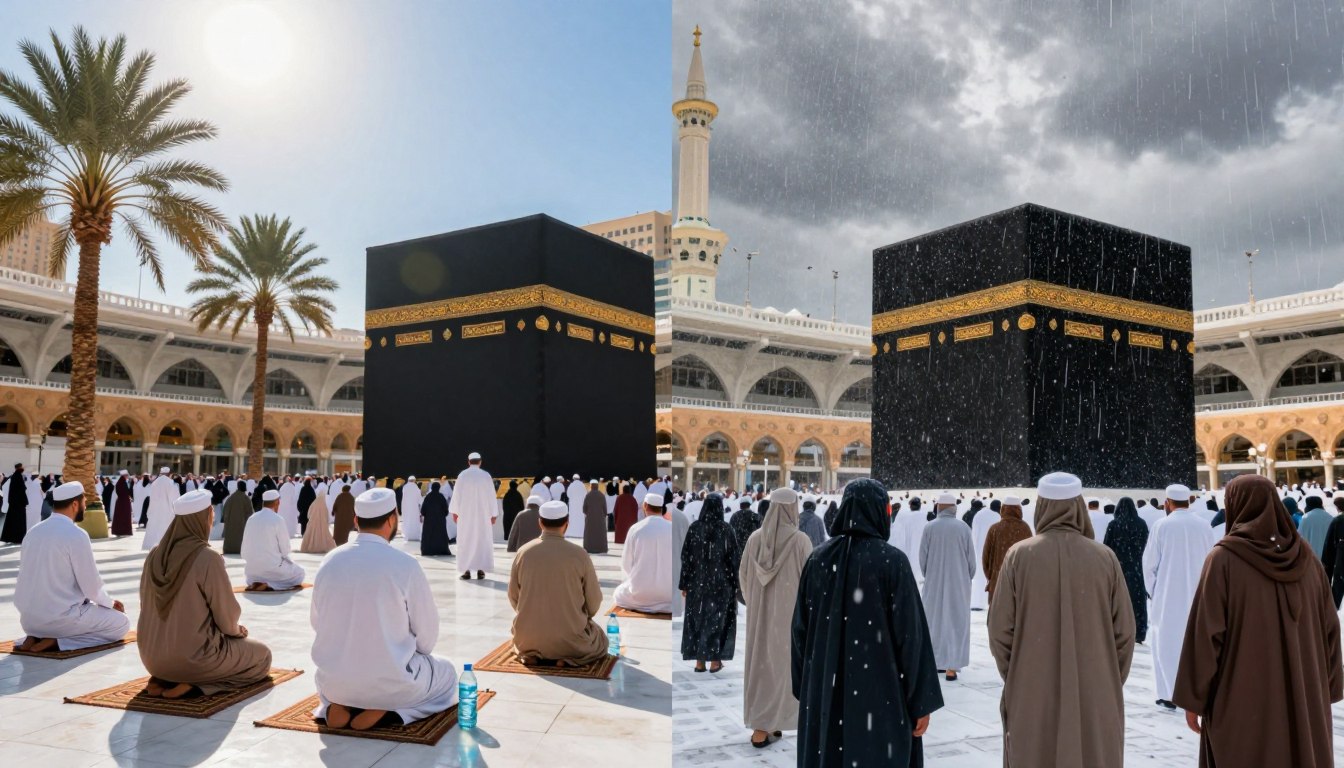
The climate in Makkah and Madinah is very hot for most of the year. Summer temperatures often hit over 40°C, making it hard to move during the day.
Winter, on the other hand, is much cooler. Temperatures in Makkah and Madinah usually range from 18°C to 30°C. This is easier for those not used to desert heat.
How Seasons Influence Pilgrimage Planning
Choosing the best time for umrah depends on your heat tolerance and crowd comfort. Always check your health before picking travel dates.
Seasonal changes affect visitor numbers, impacting everything from hotels to ritual pace. Consider these when planning:
- Physical Stamina: Hot weather means more hydration and rest are needed.
- Crowd Density: Cooler weather means more people at ritual sites.
- Logistical Costs: Prices change with season popularity.
Traveling when you’re comfortable helps keep your focus on spiritual goals. Planning ahead balances your health with pilgrimage demands.
Summer vs Winter Umrah: A Comparative Overview
When planning your Umrah, it’s important to compare the seasons. The weather changes a lot, affecting your energy and daily plans.
Knowing these changes helps you prepare for your Umrah. Whether you prefer the summer heat or the cooler winter, being ready is key.
Temperature Extremes and Their Impact
The heat is a big factor in choosing your Umrah season. In summer, Makkah can get up to 45°C (113°F). This makes rituals like Tawaf and Sa’i hard.
Winter, on the other hand, is cooler. This makes it easier to move around during the day. You won’t get as tired from the heat.
- Summer: Requires early morning or late night activity to avoid peak sun.
- Winter: Allows for more comfortable movement throughout the daylight hours.
- Both: Demand proper hydration and rest regardless of the season.
Daylight Hours and Ritual Timing
Daylight hours also change with the seasons. In summer, the sun is out longer. This means you need to adjust your ritual times to stay safe.
Adjusting your schedule is key when planning your Umrah. Here’s a table showing the main differences between summer and winter Umrah:
| Feature | Summer Umrah | Winter Umrah |
|---|---|---|
| Average High | 45°C+ | 25°C – 30°C |
| Ritual Timing | Night/Early Morning | Flexible/Daytime |
| Physical Strain | High | Low to Moderate |
Your Umrah experience depends on how well you adapt to the weather. By planning your rituals for the right daylight and temperature, you’ll have a more meaningful journey.
Navigating the Extreme Heat of Saudi Summers
Preparing for a pilgrimage in Saudi Arabia’s summer is doable with the right steps. The heat is intense, but umrah in summer can be rewarding if you’re careful. I aim to help you manage the heat so you can focus on your spiritual journey.
Strategies for Staying Cool During Tawaf
The Tawaf is tough, mainly because of the sun. To keep your energy up, pace yourself and pick the right time. Wear light, breathable clothes to help your body stay cool.
- Drink water often, even if you’re not thirsty.
- Take short breaks in the shade to cool down.
- Use a handheld fan to keep air moving around your face.
The Importance of Nighttime Rituals
Many pilgrims find late evening or early morning better for summer umrah experiences. The heat drops, making it easier to perform rituals. I like doing mine after midnight when the floors are cool.
Utilizing Cooling Stations and Misting Systems
The Saudi government has set up cooling systems to help visitors. Look for big misting fans around the Grand Mosque. They really help cool the air.
Stand near these stations if you get too hot. Using these tools is smart for a safe and fulfilling summer umrah experience. With modern help and planning, you can handle the heat confidently.
The Comfort and Benefits of Winter Pilgrimage
The change in weather in winter makes it a special time for reflection. When the desert heat goes away, umrah in winter is easier for everyone.
Why Many Pilgrims Prefer the Cooler Months
Traveling in winter is appealing because it’s cooler. Elderly pilgrims and families with young kids find it a big help. It lets them focus more on their spiritual journey.
There are many winter umrah benefits. You’ll find that several parts of your trip are easier:
- Increased stamina during long hours of standing or walking.
- Greater ease when visiting historical sites for Ziyarat.
- Reduced risk of heat-related exhaustion or dehydration.
- A more pleasant atmosphere for outdoor prayer and reflection.
Managing the Unexpected Cold in Desert Nights
While days are mild, the desert can be tricky. Nights can get very cold, so be ready.
It’s smart to pack clothes you can layer. A light jacket or shawl is key for late-night visits. The marble floors can be cold.
By getting ready for temperature changes, you can enjoy winter umrah benefits fully. Staying warm at night means you’ll wake up ready for the next day.
Crowd Management and Peak Season Logistics
When comparing umrah seasons, the number of pilgrims is key. Knowing when to go can make your visit smoother. Choosing the right time can help you avoid big crowds.
Identifying High-Traffic Periods
Some months attract more visitors, changing the feel of Makkah and Madinah. Ramadan is the busiest and most expensive time, with the Grand Mosque full.
Other times also see more people. Here are some busy times to watch out for:
- Ramadan: The busiest time, with lots of people and high demand.
- School Holidays: Families travel during breaks, making it busier.
- Public Holidays: Long weekends bring more visitors, adding to the crowd.
How Seasonality Affects Queue Times
When you go affects how long you’ll wait in lines. Peak times mean longer waits for services. Plan your visits during quieter times to avoid the crowds.
Traveling in less busy months makes getting around easier. Strategic planning helps you skip the long lines. This way, you can focus on your worship without waiting.
Essential Packing Strategies for Different Climates
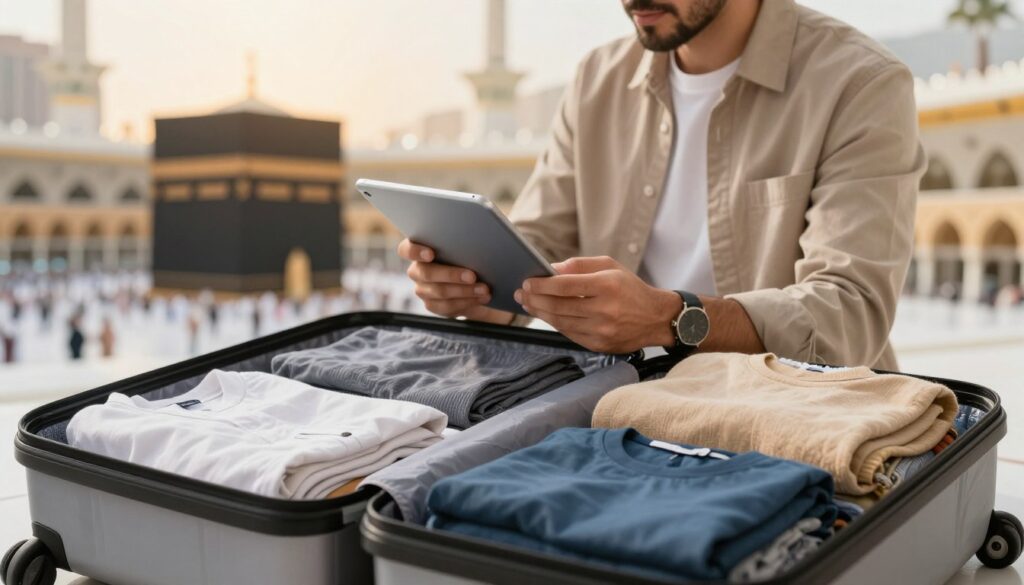
Choosing the right clothes is a key umrah travel tip. The desert’s climate can change a lot. Your clothes can make a big difference in how comfortable you are during rituals.
I always say to pick clothes that can be worn in different ways. Also, choose fabrics that are good quality. This way, you can focus on your spiritual journey without worrying about your clothes.
Summer Essentials for Breathability
In the summer, the heat is intense. You need clothes that are lightweight and breathable. Look for loose-fitting clothes made from natural fibers like cotton or linen.
These fabrics let air pass through, which is great for walking around the mosque in the sun. Stay away from synthetic materials that can make you sweat and feel uncomfortable. Moisture-wicking athletic wear is a good choice for your base layers. It helps you stay cool in the heat.
Layering Techniques for Winter Evenings
Winter evenings in the desert can get quite cool. The best thing to do is to learn how to layer your clothes. Start with a thin base layer, then add a mid-layer, and keep a jacket or shawl for the evening.
Being flexible is important when moving between air-conditioned places and the cooler outside. A lightweight fleece or a good pashmina can keep you warm without weighing you down. These simple tips will help you handle the changing weather with confidence.
Health and Hydration Protocols for Pilgrims
Knowing the umrah weather difference is key to staying healthy on your trip. The desert climate is harsh, no matter when you visit. By following certain steps, you can keep your body strong during your spiritual journey.
Preventing Heatstroke and Dehydration
In the summer, the heat is a big risk for pilgrims. Always carry a refillable water bottle and drink water often, even if you’re not thirsty. Proper hydration is the best way to avoid heat exhaustion while doing Tawaf.
Wearing light, breathable clothes helps keep your body cool. Choose natural fibers that let air pass through easily. If you start to feel dizzy or light-headed, find shade quickly and tell someone nearby.
“The preservation of health is a duty that allows the pilgrim to focus fully on their devotion and spiritual growth.”
Managing Respiratory Health in Changing Temperatures
The umrah weather difference is clear when moving between hot outside and cool inside. This change can upset your breathing. I use a light scarf or shawl to adjust to the cold in hotels and prayer halls.
Keeping your throat moist helps with the dry air in air-conditioned places. If you have allergies, bring saline nasal spray or throat lozenges. These small items can greatly improve your comfort.
| Risk Factor | Summer Strategy | Winter Strategy |
|---|---|---|
| Hydration | High intake required | Moderate intake required |
| Clothing | Light, breathable layers | Warm, insulating layers |
| Environment | Avoid peak sun hours | Prepare for cold nights |
| Health Focus | Heatstroke prevention | Respiratory protection |
Being aware of these changes helps keep your energy up. Always listen to your body and rest when needed. A healthy pilgrim can fully enjoy the peace of the holy sites.
Budgeting and Cost Variations Throughout the Year
Understanding seasonal pricing trends is key to balancing your budget. The cost of your journey changes with the season. Planning ahead helps you make smart choices that save money and ensure a meaningful trip.
Off-Season Savings vs Peak Season Premiums
Travel costs change a lot based on demand. In summer, prices drop because fewer people travel. This makes for great deals.
In winter, more people travel, which means higher prices. It’s important to consider the winter umrah benefits and the cost. Booking early is a must to get a good deal.
- Summer: Lower hotel rates and fewer crowds.
- Winter: Higher demand leading to increased costs.
- Shoulder Seasons: A balance between moderate pricing and comfortable weather.
Hidden Costs of Seasonal Travel
There are hidden expenses to consider. Prices go up during holidays or school breaks. Always save extra for these unexpected costs.
Careful planning can prevent financial stress. Here’s a table to help you understand how different factors affect your budget:
| Expense Category | Off-Peak Impact | Peak Season Impact |
|---|---|---|
| Accommodation | Budget-friendly | Premium pricing |
| Transportation | Standard rates | High demand surcharges |
| Food & Services | Stable | Potential price increases |
Your financial plan should match your priorities. If comfort is key, the winter umrah benefits might be worth the cost. But if you’re on a tight budget, off-season travel is a smart choice.
Spiritual Preparation Regardless of the Season
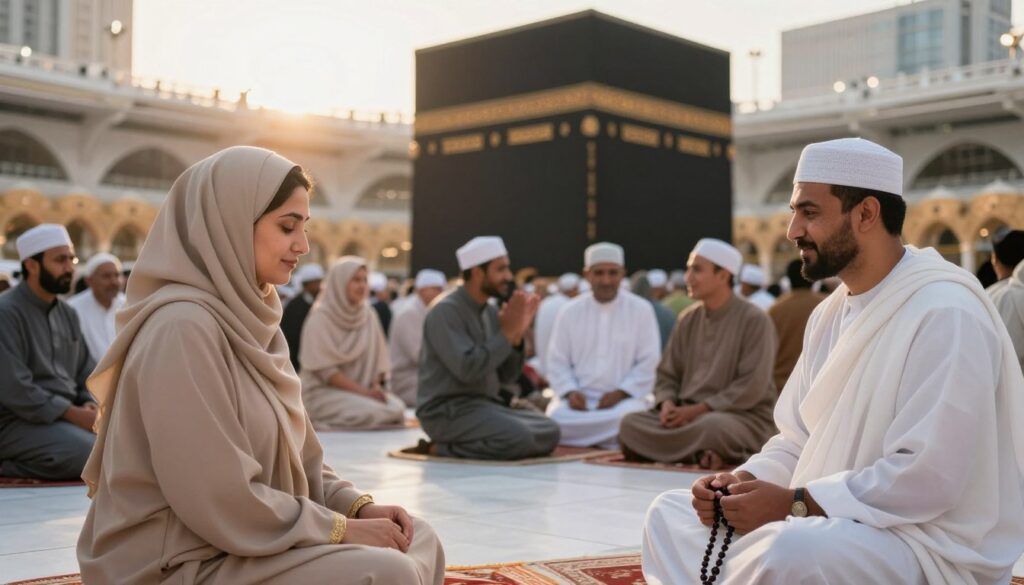
Traveling for umrah, whether in summer or umrah in winter, starts with your mindset. The state of your heart is more important than the physical journey. True peace in the holy lands comes from a prepared soul, ready for any challenge.
Maintaining Focus Amidst Environmental Challenges
The environment in Makkah and Madinah can be tough, with heat or crowds. It’s easy to get distracted from your prayers. To stay focused, center your intentions before each ritual.
Seeing every challenge as a test of devotion turns a hard moment into worship. This view is key to a successful umrah pilgrimage guide. When you focus on your spiritual goals, the physical world fades into the background.
The Role of Patience in Your Pilgrimage
Patience is essential on your trip. You’ll face long lines, delays, or tiredness. Accepting these moments helps you keep your energy and spiritual state.
Your journey is a chance for growth and reflection. Whether it’s winter or summer, staying calm is your greatest strength. This patience makes your umrah pilgrimage guide lead to a transformative and peaceful experience.
Managing Physical Exertion During Rituals
It’s important to balance spiritual devotion with physical care for a smooth experience. When planning your trip, remember your body needs extra attention during umrah in summer. Pacing yourself correctly helps keep your focus on prayers, not discomfort.
Adapting Your Pace to the Weather
The intense heat can be overwhelming. Always adjust your speed to match the weather. Move slowly and take breaks in shaded areas during the hottest parts of the day. Consistency is more important than speed when performing rituals under the sun.
Many pilgrims find summer umrah experiences easier when they use cooler night hours. Spreading tasks over a longer period helps avoid heat exhaustion. Always listen to your body and don’t rush to complete everything at once.
Recognizing Signs of Physical Fatigue
Stay alert for early signs that your body is struggling. Dizziness, rapid heartbeat, or excessive sweating mean you need to stop and find a cool place to hydrate.
Also, watch out for signs of fatigue in your companions. Sometimes, we focus so much on our goals that we miss others’ signs. Taking care of your health is a responsible way to honor your pilgrimage, ensuring you have the strength to complete every step with excellence.
| Condition | Physical Impact | Recommended Action |
|---|---|---|
| Mild Heat | Increased thirst | Drink water frequently |
| Moderate Fatigue | Muscle cramps | Rest in shade |
| Severe Exhaustion | Dizziness or confusion | Seek medical assistance |
Transportation and Accommodation Considerations
Your comfort during the pilgrimage depends on where you stay and how you travel. I’ve gathered umrah travel tips to help you make these choices. By focusing on your physical well-being, you can stay spiritually focused.
Choosing Hotels Based on Proximity and Climate Control
Finding the right place to stay is key to managing your energy. Look for hotels within walking distance of the Haram. This saves you from walking in the harsh sun, keeping your strength up.
Make sure your hotel has robust climate control systems. In the desert heat, air conditioning is a must for recovery. Check guest reviews to see if the cooling works well in summer.
Navigating Transport Between Makkah and Madinah
Traveling between the two holy cities smartly is important. The Haramain High-Speed Railway is often the best choice. It’s climate-controlled and offers a smooth ride.
If you prefer a private ride, consider hiring a car service. Use umrah travel tips to find a reliable driver and a cool car. Traveling early morning or late evening helps avoid the heat.
Your transport choice should be reliable and comfortable. Whether by train or car, book early to avoid stress. These tips will make your travel between cities smooth.
Conclusion
Choosing the best time for umrah is a big decision. It involves your health, money, and how you feel about crowds. Think about these things and your spiritual goals to make your trip to Makkah and Madinah special.
Winter is nice because it’s not too hot or cold. It’s perfect for those who want to be comfortable during their rituals. On the other hand, summer is cheaper and less crowded. The best time for you depends on what you value most.
Getting ready is key, no matter when you go. Learn about the weather and pack right to stay healthy. I hope this advice makes you feel more ready and relaxed for your trip.
Your umrah is a personal journey that needs careful planning. I’d love to hear about your plans or any questions you have. May your trip be spiritually enriching and smooth, as you visit these sacred places.