
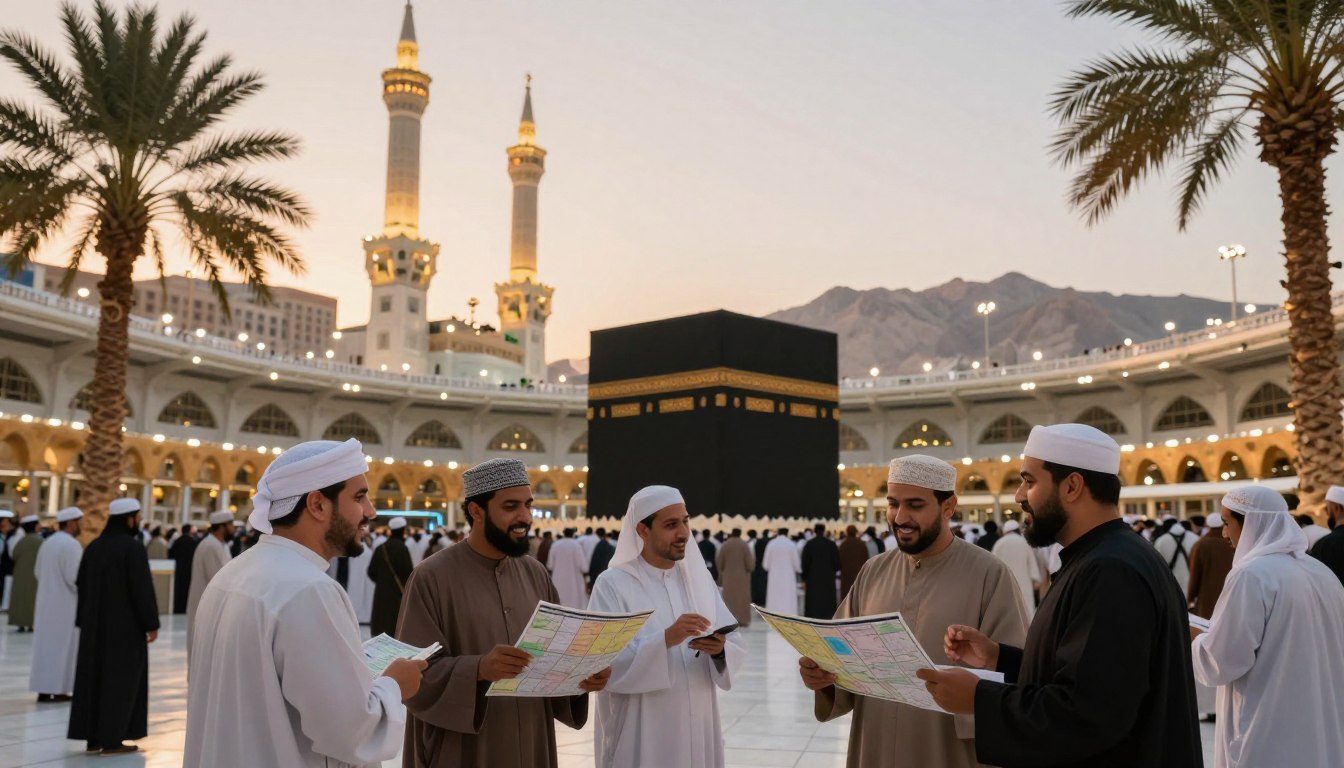
When we start our Umrah journey, timing is key. It’s not just about when we go; it shapes our spiritual journey, comfort, and budget. We often wonder when is the best time to perform Umrah, looking for the perfect moment to deepen our faith and bond with others.
The right time can make our Umrah pilgrimage incredibly rewarding. Weather, the Islamic calendar, and travel seasons all matter. Knowing these helps us plan better, making sure our spiritual journey is both meaningful and comfortable.
Let’s dive into planning our Umrah journey together. We’ll find insights to help us make smart choices. This way, we can focus on what’s most important—our faith and the community around us.
Key Takeaways
- Choosing the best time for Umrah enhances spiritual fulfillment.
- Timing affects comfort levels during the pilgrimage.
- Understanding the Islamic calendar is key for planning.
- Weather conditions can impact our experience in Mecca and Madinah.
- Travel seasons influence crowd levels and budget considerations.
- Planning ahead ensures a peaceful Umrah experience.
Why Choosing the Best Time for Umrah Matters
Timing is key when planning our Umrah journey. The right time can make our spiritual experience better, more comfortable, and save money. Knowing these factors helps us plan better for our Umrah trip.
The Impact on Spiritual Experience and Comfort
The spiritual atmosphere changes with the time we choose. Some find Ramadan’s heightened spirituality appealing. Others prefer quieter times for reflection. Comfort is also vital. Extreme heat or big crowds can make it hard to focus.
Here are some things to think about:
- Time of year: Summer is very hot.
- Crowd sizes: Busy times mean long waits and less space.
- Spiritual significance: Some months are more meaningful for pilgrims.
How Timing Affects Budget and Crowds
Timing also affects our budget. Peak seasons are pricier for flights and hotels. When planning our Umrah, keep these points in mind:
- Off-peak months are cheaper.
- Book early for better deals.
- Know local holidays to avoid crowds.
Choosing the right time for Umrah is key for a fulfilling trip. By matching our preferences with the season, we improve our spiritual journey and save money.
Understanding the Islamic Calendar: Ideal Months for Umrah
Choosing the right time for Umrah can greatly enhance our spiritual experience. The Islamic calendar plays a vital role in determining the ideal months for Umrah. Two key periods stand out: Ramadan and the months following Hajj.
Significance of Ramadan for Umrah Pilgrimage
Ramadan holds immense significance for Muslims worldwide. This month is a time of fasting, prayer, and reflection. Performing Umrah during Ramadan is rewarding.
- Increased Spiritual Rewards: The rewards for worship during this holy month are multiplied.
- Community Spirit: The atmosphere is filled with a sense of unity and devotion.
- Heightened Emotions: The experience is often more profound due to the spiritual ambiance.
Despite these benefits, we should be aware that crowds and costs can be higher during Umrah during Ramadan. Planning ahead is essential to navigate these challenges.
The Quiet Months After Hajj: Muharram and Safar
After the hustle and bustle of Hajj, the months of Muharram and Safar provide a quieter time for Umrah. These months are often considered ideal months for Umrah due to their peaceful environment. Benefits include:
- Less Crowding: We can enjoy a more tranquil pilgrimage experience.
- Lower Costs: Prices for travel and accommodation may be more affordable.
- Focus on Worship: With fewer distractions, we can deepen our connection to our faith.
Understanding these months allows us to choose the best time for our pilgrimage, aligning our spiritual priorities with our travel plans.
Best Time for Umrah: Weather Conditions in Mecca and Madinah
When planning our Umrah pilgrimage, understanding the weather is key. Saudi Arabia’s climate changes a lot throughout the year. Knowing this helps us pick the best time for our journey, making sure we’re comfortable and at ease.
The best months for Umrah are from November to February. The weather is nice, with temperatures between 20°C and 30°C. This cooler weather is easier for us, helping those with health issues.
Summer, from June to August, is very hot, often over 45°C. It’s tough, but there are fewer pilgrims, which means lower costs and less crowded places. For those up for the challenge, it’s a good option.
Spring and autumn offer a good balance. The weather is mild, and there are fewer people. This makes it a great time for many pilgrims looking for a comfortable Umrah experience.
- Cooler Months (November to February): Ideal for comfort and ease.
- Hot Summer Months (June to August): Challenging but less crowded.
- Transitional Seasons (March to May, September to October): Moderate temperatures and manageable crowds.
Umrah Travel Season: Crowds, Peak, and Off-Peak Times
Choosing the right time for Umrah is key for a great experience. Knowing when to go can make our journey better. Ramadan and Hajj are busy times, filled with many pilgrims.
Ramadan and Hajj Season: High Crowds and Challenges
Umrah in Ramadan is spiritually rewarding but crowded. The many worshippers cause:
- Longer wait times at holy sites
- Increased congestion during rituals
- Challenges in accommodation and transportation
Though it’s uplifting, the physical side can be tough for some.
Off-Peak Umrah Season: Advantages of Lower Crowds
The off-peak season, after Hajj, is a nice change. It offers:
- Fewer pilgrims at holy sites
- Quieter atmosphere for reflection and prayer
- Easier access to accommodations and services
It’s a chance for a deeper spiritual connection. Traveling off-peak helps avoid Mecca’s crowds, making our journey better.
| Travel Period | Crowd Level | Experience |
|---|---|---|
| Ramadan | High | Spiritual but crowded |
| Hajj Season | Very High | Intense and challenging |
| Off-Peak Months | Low | Calm and peaceful |
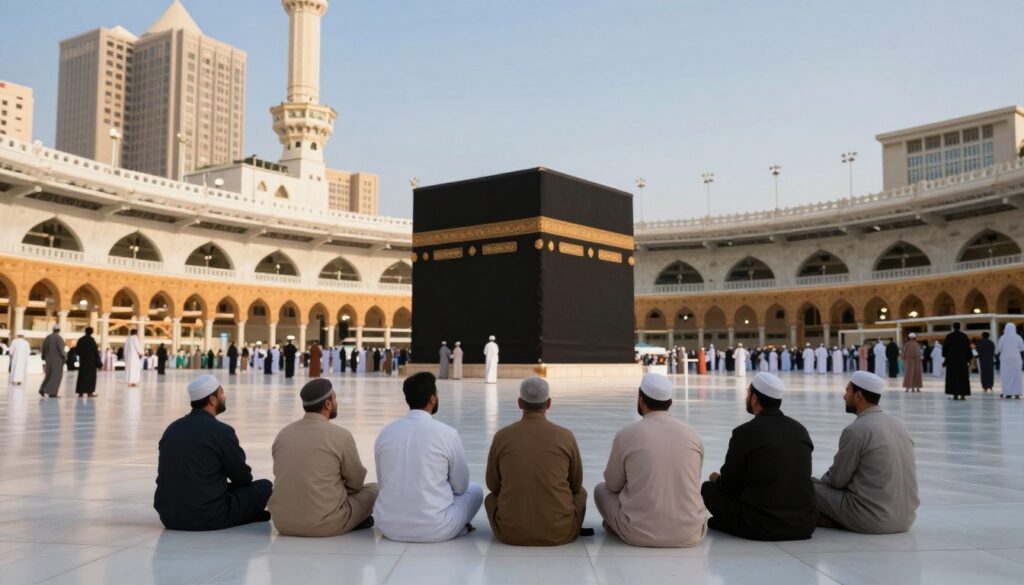
Cheapest Time for Umrah: Budgeting Your Spiritual Journey
Planning our Umrah journey means thinking about our budget. The time we choose can greatly affect costs. By picking the right months, we can save money and have a better experience.
Off-Peak Months with Affordable Prices
The off-peak umrah season, from September to November, is great for those watching their budget. Here, we find:
- Lower flight prices
- More affordable hotel accommodations
- Attractive package deals
With fewer people, our pilgrimage is more peaceful. We can focus on our spiritual journey without the stress of crowds.
Cost Considerations During Ramadan and Peak Seasons
Traveling in Ramadan or during Hajj is exciting but expensive. Prices for flights and hotels go up because more people want to go. We need to think about the money:
- Flights can be double or triple the price
- Hotel rates significantly increase
- Package deals become less appealing
Knowing these costs helps us plan our Umrah journey. We can make sure it’s both spiritual and affordable.
Timing Your Umrah Rituals for a Peaceful Experience
Planning our Umrah is key to a spiritual journey. Picking the right time for our rituals can make a big difference. It helps us avoid the crowds in Mecca. Being strategic with our timing is essential.
It’s best to choose quiet times of the day for our rituals. This allows for deeper reflection and a calm atmosphere. Here are some ideal times to consider:
- After Fajr prayer: The early morning is often quiet, perfect for connecting with our spirituality.
- After Zuhr prayer: This midday is usually less crowded, making it a great time for our rituals.
- Late at night: Between Isha and Fajr, the night offers a serene setting for worship.
By timing our rituals wisely, we can focus better and feel more comfortable. Avoiding crowds in Mecca lets us dive deeper into our prayers and reflections. We can enjoy this sacred journey without distractions.
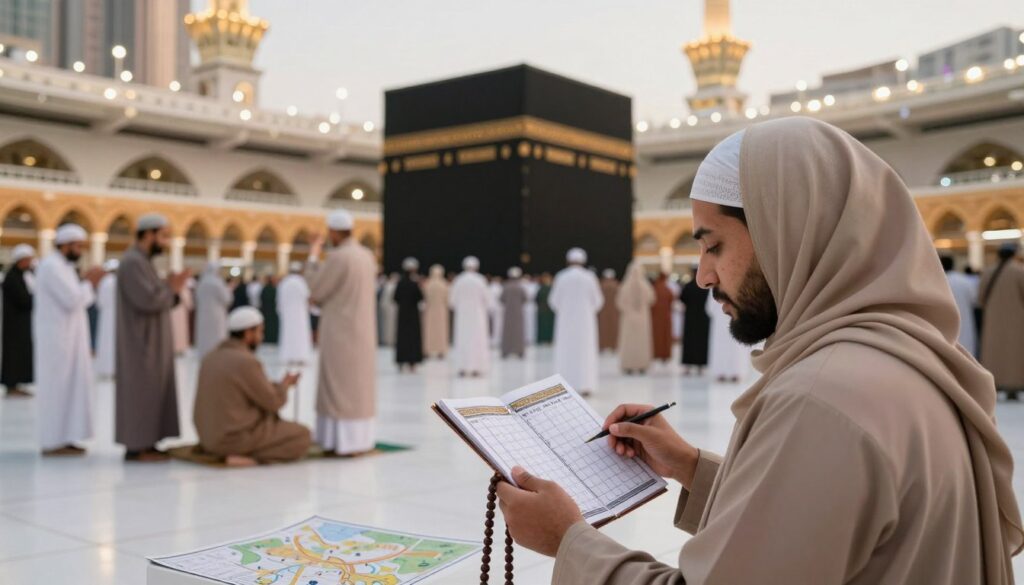
As we prepare for our pilgrimage, timing is everything. Choosing less crowded times makes our Umrah more meaningful and peaceful.
Planning Duration and Umrah Packages to Suit Your Schedule
Planning the duration of our Umrah journey is key. The right timing can make our spiritual experience better. Knowing about different Umrah packages helps us choose what fits our needs. We’ll look at typical package lengths and what influences our choices.
Typical Umrah Package Lengths and What to Expect
Umrah packages last from 7 to 21 days. Each length offers a unique experience:
- 7-Day Packages: Great for those with little time. They cover the main rituals.
- 10 to 14-Day Packages: Good for a more relaxed trip. We can spend more time in prayer and reflection.
- 21-Day Packages: Ideal for a deep spiritual journey. We can visit more holy sites and enjoy some leisure time.
Choosing the Right Package Duration for Your Needs
When picking a package, think about these things:
- Health: Make sure we can handle the physical demands of the trip.
- Budget: Some packages might be cheaper during off-peak seasons.
- Travel Origin: Longer travel times might mean we need to stay longer to adjust.
- Season: Choosing a package that matches the best umrah packages timing can improve our experience.
Being close to the Haram and visiting holy sites (Ziyarat) also matters. Good umrah travel planning helps us make the most of our spiritual journey while meeting our personal needs.
| Package Length | Typical Duration | Activities Included |
|---|---|---|
| 7 Days | Essential rituals | Umrah, basic Ziyarat |
| 10-14 Days | More relaxed | Umrah, Ziyarat, free time |
| 21 Days | Extended experience | Umrah, extensive Ziyarat, leisure |
Managing Heat and Crowds: Best Practices for Traveling Umrah
Traveling for Umrah is a rewarding spiritual journey. We must prepare for the challenges of weather and crowds in Mecca. Here are some strategies to make our pilgrimage better.
Planning our rituals during cooler hours is key. We can avoid the heat by doing things early in the morning or late at night. This helps us stay comfortable and focus on our spiritual practices.
Staying hydrated is very important. We should carry water bottles and drink lots of fluids all day. The Grand Mosque’s air-conditioned areas offer a cool break from the heat. We can rest and recharge there.
To handle crowds, consider these tips:
- Visit popular sites during off-peak hours.
- Stay informed about crowd levels through local resources.
- Utilize less crowded entrances and exits at the mosque.
By following these tips, we can have a more peaceful and fulfilling Umrah. Preparing for weather and planning to avoid crowds in Mecca makes our journey spiritually uplifting and physically manageable.
Tips for Avoiding Crowds in Mecca and Enhancing Your Umrah Experience
We all want a peaceful Umrah experience. To get this, we need to plan smartly to avoid crowds in Mecca. By picking the best times and planning our trips well, we can make our spiritual journey better.
Optimal Times of Day for Umrah Rituals
Timing is key to avoid crowds at the Haram. Here are the best times for rituals:
- Early morning after Fajr prayer
- Late at night after Isha prayer
- During weekdays, avoiding weekends and holidays
Strategic Travel Planning to Reduce Congestion
Good umrah travel planning can really help. Here are some tips:
- Choose off-peak travel dates, ideally outside Ramadan and Hajj season.
- Book accommodations close to the Haram to reduce travel time.
- Use local transport options to move around busy areas easily.
By following these tips, we can have a calmer pilgrimage. Planning our Umrah for less busy times and making smart travel choices can make our spiritual journey more rewarding.
Conclusion
The best time for Umrah depends on our spiritual goals, comfort, budget, and personal taste. Each season brings its own unique experiences. Whether it’s the spiritual peak of Ramadan or the quiet of off-peak months, knowing this helps us choose the right time.
Good umrah travel planning is key for a meaningful trip. Thinking about the weather, crowds, and costs helps us pick the best time. This careful planning makes our pilgrimage blessed and enriching.
As we start this spiritual journey, let’s plan well and stay open. Traveling with an open heart deepens our faith and makes the experience better.