
“The journey of a thousand miles begins with one step.” – Lao Tzu
Embarking on your pilgrimage is more than just a journey; it is a profound experience that connects you with the rich history of Islam. As you walk through the sacred sites, you follow in the footsteps of the Prophet Muhammad (ﷺ) and his companions. This ultimate guide aims to enhance your understanding of these important places.
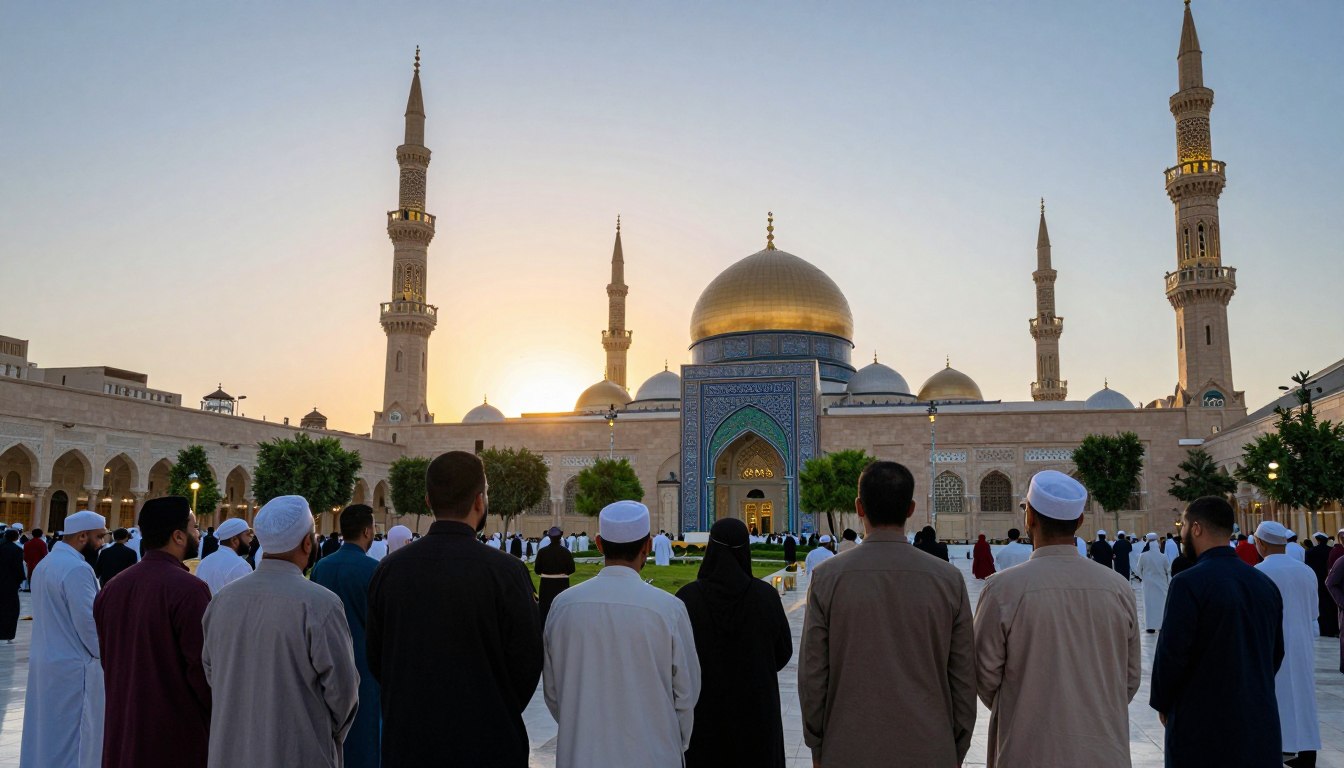
From the majestic Masjid al Nabawi Madinah Ziyarat , which was built by the Prophet himself, to other significant landmarks, each site tells a story. These locations serve as a roadmap for your spiritual journey, allowing you to reflect on the trials faced by early believers.
Whether you are a first-time visitor or returning, this resource is designed to help you navigate the most important ziyarat places with clarity and purpose. Prepare yourself for a transformative experience as you explore the foundations of faith in this holy city.
Key Takeaways
- Connect deeply with the sacred history of Islam.
- Understand the significance of holy sites surrounding the Prophet Muhammad (ﷺ).
- Reflect on the challenges faced by early believers.
- Ensure your visit is organized and meaningful.
- Gain insights into the historical context of each site.
- Maximize your spiritual rewards during your visit.
Discovering the Spiritual and Historical Legacy
Traveling through these sacred sites unveils the profound narratives of early Islamic life. Each location holds stories that connect you with the sacrifices made by the Prophet Muhammad (ﷺ) and his noble companions. The cemetery of Jannatul Baqi is particularly significant, as it serves as the resting place for family members of the Prophet (ﷺ), including his wives and beloved grandson, Imam Hasan ibn Ali (RA).
Reflecting on the lives of these early figures provides a unique perspective on faith and the transient nature of life. Each sacred site is a vital part of the narrative that shapes the spiritual heritage of the Muslim community worldwide. By visiting these historical places, you engage in quiet reflection that honors the memory of those who supported the Prophet (ﷺ) during challenging times.
The legacy of the companions continues to inspire millions of pilgrims. Their character, patience, and unwavering devotion to Allah (SWT) are qualities that many seek to emulate. Understanding the historical context of these locations transforms your visit into a deeply meaningful spiritual encounter.
| Site | Significance | Notable Figures |
|---|---|---|
| Jannatul Baqi | Resting place of the Prophet’s family | Uthman ibn Affan (RA), Fatimah bint Asad (RA) |
| Masjid al Nabawi | Built by the Prophet (ﷺ) | Prophet Muhammad (ﷺ) |
| Uhud Mountain | Site of the Battle of Uhud | Hamza ibn Abdul-Muttalib (RA) |
Planning Your Madinah Ziyarat How-To Journey
Planning your pilgrimage allows you to align your heart and mind with your spiritual goals. Setting a sincere intention, or Niyyah, is essential for a focused journey. This helps ensure that your visit is centered on seeking the pleasure of Allah (SWT).
Whether you are visiting during Hajj or Umrah, a clear itinerary helps you prioritize significant places. Grouping your visits by proximity can save time and energy. This approach allows for a more relaxed and reflective experience at each location.
A comprehensive list of ziyarat places ensures you do not miss essential sites. Consider dedicating at least one full day to your ziyarat tour. This time will help you appreciate the historical and spiritual significance of each stop.
Our guide suggests mapping out your locations in advance. This will help avoid the stress of navigating unfamiliar areas during your pilgrimage. By organizing your journey thoughtfully, every stop can contribute to a deeper connection with the sacred history of the region.
Remember, the quality of your visit is more important than the quantity of places you see. Allow yourself time for quiet contemplation as you explore.
| Day | Itinerary | Locations |
|---|---|---|
| 1 | Arrival and Masjid al Nabawi | Masjid al Nabawi, Jannatul Baqi |
| 2 | Tour of Uhud | Uhud Mountain, Martyrs’ Graves |
| 3 | Exploring Quba Mosque | Quba Mosque, Seven Mosques |
Transportation and Logistics for a Seamless Pilgrimage
Effective transportation is crucial for maximizing your time during this spiritual journey. Selecting a reliable taxi service is essential, as many significant sites are located outside walking distance from the mosque. Professional drivers can help you group your chosen sites by proximity, ensuring you spend less time in traffic and more time at each location.
A well-planned ziyarat tour often includes a private vehicle that waits for you at each stop, providing comfort and convenience throughout the day. When booking your transport, verify that the service covers all the major sites you wish to visit to avoid any unexpected logistical issues.
Consider these tips for a smooth experience:
- Efficient Grouping: Group your visits by direction, such as the northern Uhud area or southern Quba area, to see more in less time.
- Knowledgeable Drivers: Hiring a knowledgeable driver adds value, as they can provide historical context for each site visited.
- Advance Confirmation: Ensure your transportation logistics are confirmed in advance, especially during peak seasons.
- Focus on Spiritual Goals: By prioritizing professional logistics, you can concentrate on your spiritual objectives rather than travel complexities.
Exploring Iconic Mosques and Sacred Sites
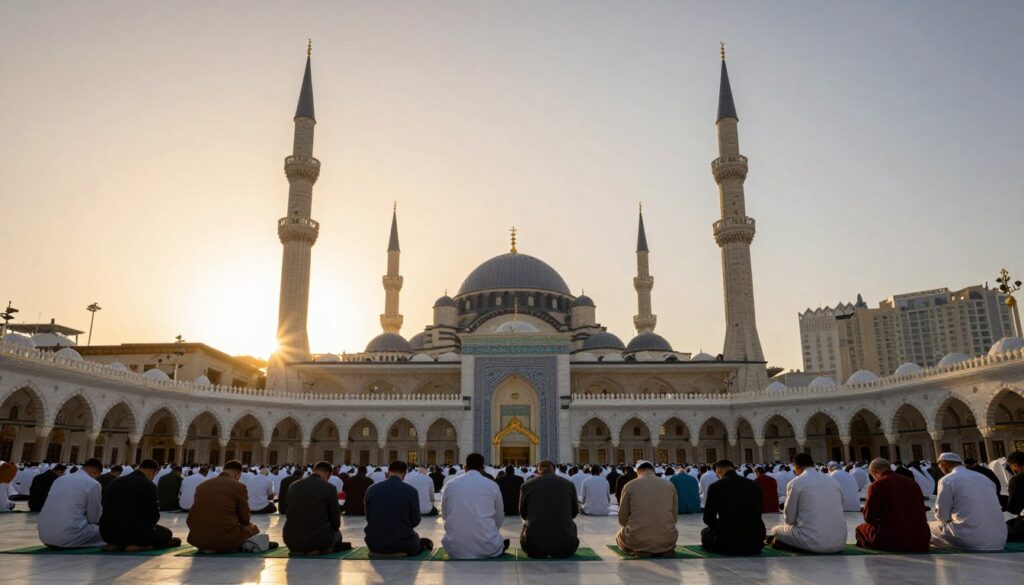
As you explore the mosques, you will uncover the profound significance of these sacred places. Each mosque offers a unique opportunity for prayer and reflection, allowing you to connect deeply with the legacy of the Prophet Muhammad (ﷺ) and his companions.
Masjid al Nabawi and Its Adjacent Landmarks
Masjid al Nabawi is the heart of the city, housing the grave of the Prophet Muhammad (ﷺ) and the revered Rawdah Mubarak. Many pilgrims prioritize their visit here, as it is a site of immense spiritual reward.
Discovering Masjid Quba and Masjid al-Qiblatain
Masjid Quba, located just 3.5 km from the Prophet’s Mosque, is the first mosque built in Islam. It is said that performing two rakats there grants the reward of an Umrah. Meanwhile, Masjid al-Qiblatain is notable for the divine change of prayer direction from Jerusalem to Makkah, showcasing the obedience of early companions.
Additionally, you can include Masjid Ghamama and Masjid Abu Bakr in your ziyarat list. These mosques provide insight into early Islamic history and the events that shaped the faith. Grouping these mosques into a single day ensures you visit all essential locations efficiently. Many pilgrims find that visiting these iconic sites early in the morning helps them avoid the crowds and enjoy a more peaceful experience.
Madinah Ziyarat: Essential Must-Visit Locations
Visiting the key locations in this sacred city enriches your understanding of Islamic heritage. Each site you explore contributes to the rich tapestry of early Islamic history and offers a unique opportunity for prayer and reflection.
Highlights of Quba Mosque, Seven Mosques, and Uhud Mountain
- The Seven Mosques: This complex marks the strategic positions held during the Battle of the Trench, where the companions defended the city.
- Mount Uhud: A powerful reminder of the Battle of Uhud, where the Prophet Muhammad (ﷺ) and his companions showed immense resilience.
- Graves of the Martyrs: Pilgrims often visit the graves at the base of Mount Uhud to pay their respects and reflect on their sacrifices.
- Masjid Quba: This mosque is a top priority for every visitor, as it is the first mosque established by the Prophet (ﷺ) upon his arrival.
- Comprehensive Tour: Group these essential locations into a single day tour to ensure you see the most significant sites.
- Historical Significance: These locations are part of the city’s identity, allowing you to walk through the events that shaped early Islamic history.
A Detailed Guide to Battle and Historical Landmarks
Exploring the significant battle sites allows you to connect with the sacrifices made by the companions of the Prophet Muhammad (ﷺ). These locations are not just historical markers; they embody the struggles and triumphs of early Muslims.
Exploring Uhud Mountain and the Martyrs’ Graves
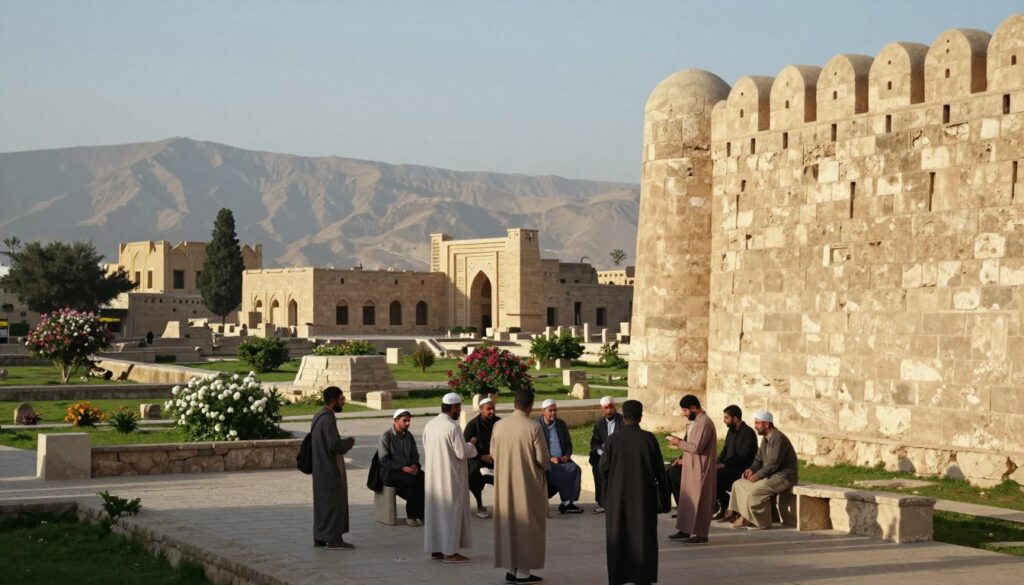
Visiting the site of the Battle of Uhud enables you to stand where the Prophet Muhammad (ﷺ) and his companions faced tremendous challenges. The cemetery near the mountain holds the martyrs who gave their lives, serving as a place for reflection on the cost of faith.
Understanding the Battle of the Trench Sites
Gaining insight into the Battle of the Trench helps you appreciate the strategic brilliance of the companions who defended the city against overwhelming odds. These historical landmarks are essential for any ziyarat places list, providing context to the struggles faced by the early Muslim community.
- Group these battle sites into a dedicated tour to ensure you have enough time to explore each location thoroughly.
- Many pilgrims find that learning about these events before their visit enhances their experience and deepens their connection to the history of the region.
- The Seven Mosques and the surrounding area offer a glimpse into the daily lives and defensive efforts of the people who lived there.
- Ensure you approach these sites with the respect due to a cemetery and a place of significant historical sacrifice.
Tips for a Rewarding and Respectful Pilgrimage
To ensure a fulfilling pilgrimage, it’s essential to adopt practices that promote respect and mindfulness. Understanding the significance of your surroundings enhances your experience as you visit sacred sites.
Etiquette at Sacred and Historical Locations
Maintaining a respectful demeanor is crucial when visiting places like the cemetery of Jannatul Baqi. Here are some important guidelines:
- Dress Modestly: Always wear appropriate clothing, especially in mosques.
- Lower Your Voice: Keep conversations quiet to maintain a serene atmosphere.
- Be Mindful of Others: Avoid blocking paths and allow space for reflection.
- Plan Around Prayer Times: Schedule your visits to align with daily prayers.
Best Times and Season Considerations for Visiting
The best time to visit these locations is during the early morning hours. This timing allows for a more peaceful and reflective experience. Many pilgrims find that:
- Visiting during cooler seasons makes the experience more comfortable.
- Late afternoons can also be a good time to avoid the heat and crowds.
- Planning your ziyarat tour around prayer times ensures you do not miss daily obligations.
Optimizing Your Experience with Transactional Booking Tips
To enhance your pilgrimage experience, consider how you can streamline your travel logistics. Booking a custom taxi service for your ziyarat provides the flexibility to visit the places that matter most to you and your group. This way, you can set your own schedule and explore at your own pace.
When evaluating tour packages, it’s essential to consider both the cost and the number of sites included. Full-day tour packages typically range from SAR 300 to SAR 500, covering 15-20 locations. Many pilgrims prefer booking in advance to secure reliable transportation, especially during the busy seasons of Hajj and Umrah.
A well-planned tour should include stops at the first mosque in Islam, the Seven Mosques, and the cemetery of Jannatul Baqi. Discussing your preferred itinerary with the driver ensures you have enough time at each location. Remember to confirm the total price upfront and ensure the vehicle is comfortable for the duration of your tour.
By choosing a reputable service, you avoid the stress of navigating the city and can focus entirely on the spiritual significance of your journey. A good tour package is a vital part of your planning, helping you see all the essential sites without unnecessary hassle.
Conclusion
Your pilgrimage is a profound journey that connects you to the life and legacy of the Prophet Muhammad (ﷺ) and his companions. By visiting these sacred sites, you gain a deeper understanding of Islamic history and the sacrifices made to establish the faith.
Whether you explore the Seven Mosques or spend time in quiet prayer, each location offers a unique opportunity for spiritual reflection. Remember that the true value of your pilgrimage lies in your sincerity and the lessons you carry back to your daily life.
We hope this guide has helped you organize your tour and visit the most significant locations with ease and respect. May your journey be accepted, and may your heart be filled with the peace that comes from visiting these blessed places.
As you conclude your visit, carry the memories of these holy sites with you as a source of inspiration and strength.