
The call to visit Makkah stirs a deep longing in every believer’s heart. You might feel excited and a bit nervous as you prepare. It’s a chance to quiet the world and connect deeply with the Divine.
Travel plans can sometimes overshadow your spiritual goals. This step-by-step umrah guide aims to ease that. By following a clear umrah pilgrimage process, you can perform each ritual with confidence.
We want to help you find inner tranquility before you leave. Knowing what to expect keeps your heart open to the blessings ahead. Let’s go through these steps together, so you can focus on what’s truly important.
Key Takeaways
- Understand the essential rituals required for a successful journey.
- Learn how to prepare your heart and mind for the spiritual experience.
- Simplify complex logistics to reduce travel-related stress.
- Gain confidence in performing each rite according to tradition.
- Focus your energy on seeking forgiveness and divine closeness.
Understanding the Spiritual Significance and Basics
Going to the holy cities is a deep experience that changes your soul. It’s a time to leave daily life behind and focus on your connection with the Divine. Preparing your heart and mind makes every step meaningful and sincere.
The Spiritual Benefits of Umrah
The spiritual benefits of umrah are many and personal. It’s like a spiritual reboot, a chance to seek forgiveness and reflect on your life. It helps you grow in patience, humility, and gratitude, surrounded by sacred history.
These acts of worship help you let go of worldly worries and focus on growing within. You’ll likely feel a deep peace as you pray and think deeply. This connection to the sacred can strengthen your faith, even after you return home.
Defining the Pilgrimage
Unlike the Hajj, Umrah is a voluntary act of worship. You can do it any time of the year. It’s a way to show devotion by visiting the Kaaba and doing certain rites. Knowing the umrah rituals explained helps you feel confident and prepared.
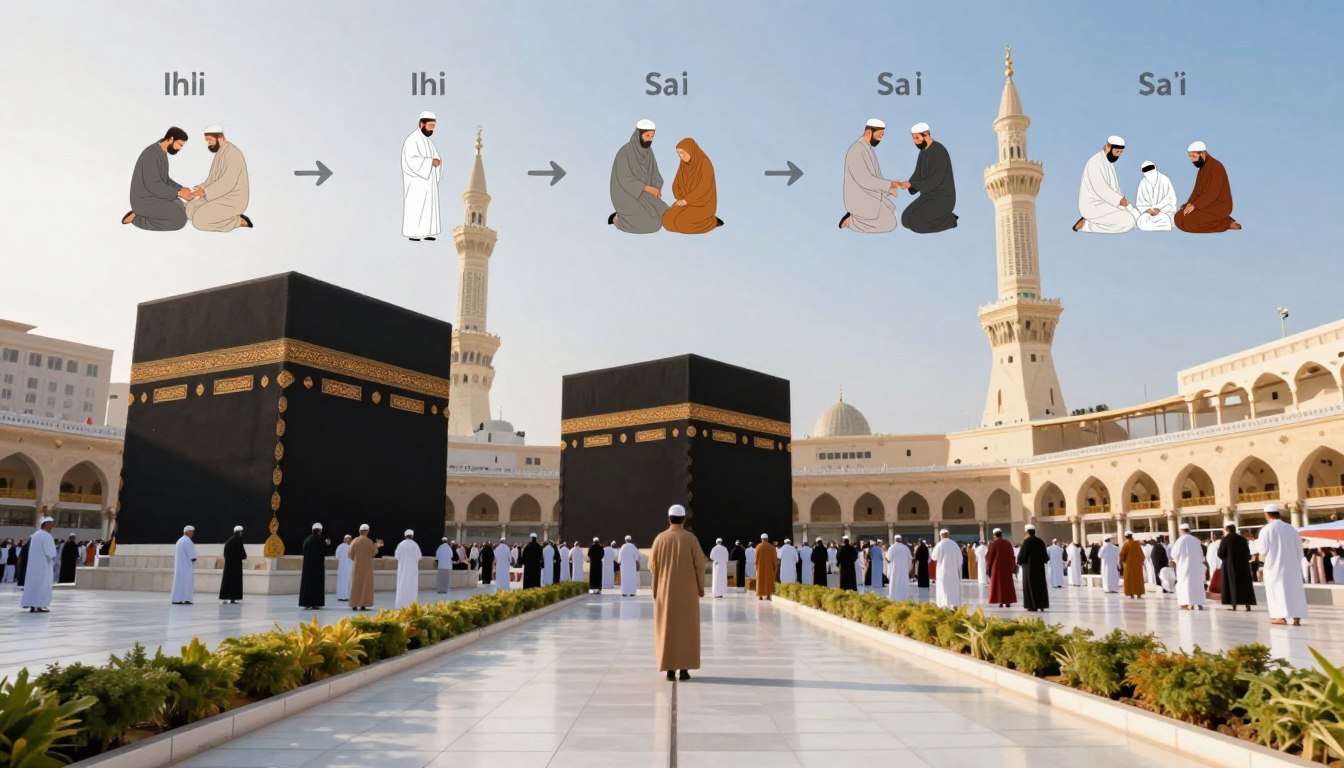
The journey has four key acts that are important for your spiritual growth:
- Ihram: Entering a state of purity and intention.
- Tawaf: Circling the Kaaba seven times to show unity.
- Sa’i: Walking between the hills of Safa and Marwa.
- Halq or Taqsir: Shaving or trimming hair to mark the end of the rites.
Understanding these acts helps you perform them with care. This focus keeps your journey’s spiritual essence at the forefront, not just the rituals.
Essential Umrah Preparation Steps
Your journey to a successful pilgrimage starts long before you reach the airport. It begins with essential umrah preparation steps. Organizing your affairs ensures your focus is on worship when you arrive at the Holy Cities.
Physical and Mental Readiness
The pilgrimage is a physically demanding journey. It requires a good level of stamina. Start walking regularly in the weeks before your trip to prepare your body for the Tawaf and Sa’i.
Mental preparation is also key for a smooth experience. Learn the specific rituals and the correct duas to recite. Knowing this reduces anxiety and lets you perform your rites with confidence.
Spiritual Preparation and Intention
True success in your journey depends on your heart’s state. Before leaving, seek forgiveness for past mistakes. Start your pilgrimage with a clean slate. This process of repentance clears your conscience and prepares you for spiritual rewards.
Setting Your Niyyah
Setting your niyyah is the first step. It aligns your heart with the purpose of your visit. Your intention must be pure, for the sake of Allah, not for worldly gain. When your heart is sincere, every step is an act of devotion.
| Category | Action Item | Priority |
|---|---|---|
| Physical | Daily walking practice | High |
| Spiritual | Repentance and Dua | High |
| Educational | Study ritual guides | Medium |
| Mental | Define your Niyyah | High |
By following these essential umrah preparation steps, you lay a solid foundation for your journey. The quality of your experience reflects the care in your initial planning.
Navigating Umrah Visa Requirements and Logistics
Your journey to the holy sites starts long before you fly. Managing the admin side of your trip is key for a peaceful and focused experience. By sorting these details early, you make sure your time in the Kingdom is for worship, not paperwork.
Applying for Your Visa
Knowing the umrah visa requirements is vital for every traveler. Most can now get an e-visa, making things easier. Women under 45 must travel with a Mahram, unless they have special Saudi exemptions.
Check your documents at least two months before you go. Your passport must be valid for six months after your trip. Preparation is the key to avoiding airport stress.
Booking Flights and Accommodations
Good travel planning is the base of easy umrah planning. Choose flights with few layovers to save energy for rituals. Many prefer Jeddah to Makkah by high-speed train for a smooth start.
“The journey of a thousand miles begins with a single step, but the success of that journey relies on the wisdom of your preparation.”
Choosing the right place to stay can change your experience. Here’s a comparison to help you decide:
| Accommodation Type | Proximity to Haram | Primary Benefit |
|---|---|---|
| Luxury Hotel | Very Close | Maximum comfort and ease |
| Standard Hotel | Moderate | Cost-effective balance |
| Budget Lodging | Further Away | Significant savings |
Choosing Proximity to the Haram
Choosing a hotel close to the Haram is recommended for easy umrah planning. It lets you rest quickly between prayers. This saves energy and lets you join all prayers without traffic worries.
If you stay further away, look for hotels with shuttle services. Your comfort affects your ability to focus on your rituals.
Comprehensive Step-by-Step Umrah Guide
Starting your pilgrimage means knowing the sacred rituals well. This step-by-step umrah guide helps you follow the Prophet’s traditions. It keeps you focused and devoted on your journey.
Entering the State of Ihram
The first step is to make the intention to go on pilgrimage, called Niyyah. You must enter the state of Ihram by purifying yourself and wearing special clothes. This shows you’re ready to leave worldly things behind and follow God fully.
The Miqat Boundaries
The Miqat marks the start of Ihram. You can’t go past it without entering this sacred state. Respecting these boundaries is key for every pilgrim.
Performing the Initial Tawaf
When you get to the Holy Mosque, start with the first Tawaf. You circle the Kaaba seven times, moving clockwise. Keep your mind on prayer and reflection. This step-by-step umrah guide stresses the importance of being consistent and sincere.
“The journey of a thousand miles begins with a single step, but the journey of the soul begins with the intention of the heart.”
The Significance of Sa’i
After Tawaf, do Sa’i. It remembers Hajar’s (AS) struggle. Walk seven times between Safa and Marwa. This shows patience, trust, and perseverance in hard times. Completing Sa’i brings you closer to finishing your sacred duties.
Mastering the Rituals: Tawaf Guide
Your journey around the Kaaba is the heart of your visit. This guide helps you navigate it with grace. By understanding these umrah rituals explained, you’ll feel more confident as you start your seven rounds, beginning with the Black Stone.
Etiquette and Supplications During Tawaf
Maintaining a state of sincerity is key while circling the Kaaba. Focus your heart on your prayers. Avoid unnecessary conversation or distractions that might break your concentration.
“The best of supplications is the supplication on the day of Arafah, and the best of what I and the prophets before me have said is: There is no god but Allah alone, having no partner. His is the dominion, and His is the praise, and He is over all things powerful.”
You can recite personal prayers in your own language. Allah understands every tongue. Keep your movements steady and respectful to honor the sanctity of the space.
Navigating the Crowds Safely
The Mataf area can get very busy. It’s important to stay aware of your surroundings. Move with the flow of the crowd to maintain safety for everyone.
- Keep your personal belongings secure at all times.
- Stay close to your group or family members to avoid getting separated.
- Be patient and kind to fellow pilgrims, as everyone is there for the same purpose.
Tips for Tawaf During Peak Hours
If you’re performing the ritual during busy times, consider moving to the upper levels of the mosque. This tawaf guide suggests these areas often have more space and a clearer view of the Kaaba. This allows for a more peaceful experience.
Always remain calm if the area becomes congested. Patience is a key part of your worship. Staying composed will help you complete your seven rounds with the spiritual focus you intended.
Understanding Sa’i and the Completion Rituals
After circling the Kaaba, you move to the walk between Safa and Marwa. This is called Sa’i. It honors Hajar’s search for water for Ismail. It’s a profound act that needs patience and focus.
Walking Between Safa and Marwa
You start at Safa and walk to Marwa. This is one lap. You must do seven laps in total, ending at Marwa. You can pray or say special prayers during this walk.
“The journey of a thousand miles begins with a single step, but the journey of the heart begins with the intention to serve.”
Halq and Taqsir: The Final Steps
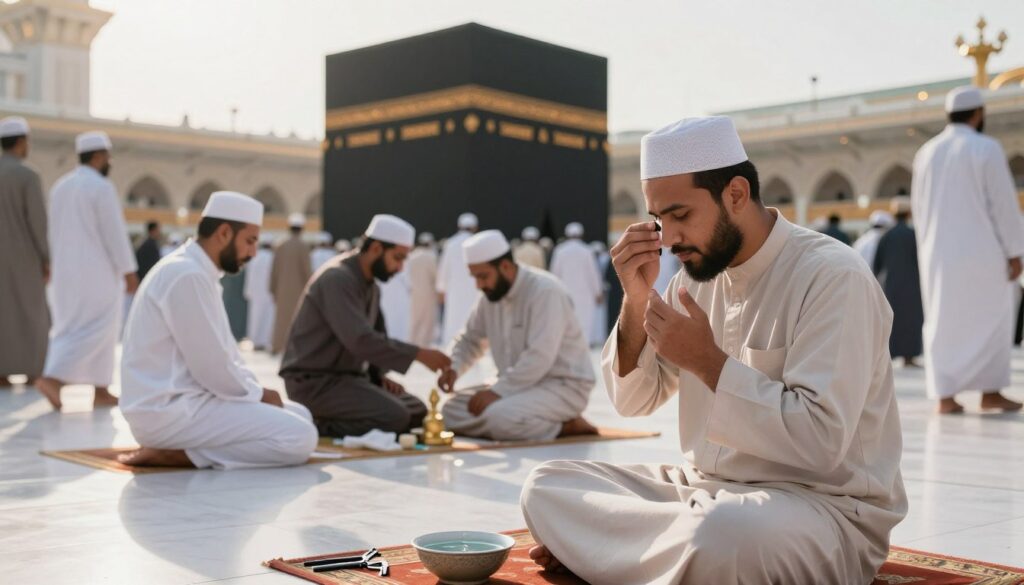
After the seventh lap, your pilgrimage ends. Now, you must do halq & taqsir to leave Ihram. These acts mean letting go of worldly worries and renewing your spirit.
Understanding the Rules of Shaving or Trimming Hair
The rules for halq & taqsir differ for men and women. Men can choose to shave their head fully or trim it. Women only need to trim a small amount of hair.
By doing these final steps, you end Ihram’s restrictions. You’ve finished the main rituals of your journey. Take time to think about the peace you’ve found through these sacred actions.
Key Differences Between Hajj and Umrah
Many pilgrims often wonder about the specific distinctions between these two sacred journeys to Makkah. Understanding the difference between hajj & umrah is essential for every traveler. It helps manage expectations and religious obligations effectively. While both acts involve visiting the Holy Kaaba, they serve different purposes in your spiritual life.
Time Constraints and Ritual Complexity
The most notable distinction lies in the timing and the depth of the rituals involved. Hajj is strictly tied to the Islamic lunar calendar and must be performed during specific days in the month of Dhu al-Hijjah. In contrast, you can perform Umrah at any time throughout the year, giving you greater flexibility in your travel planning.
The complexity of the rituals also varies significantly between the two. Hajj requires a longer duration and involves a series of elaborate steps, including the stay at Arafat and the symbolic stoning of the pillars. Umrah is much shorter and focuses on Ihram, Tawaf, and Sa’i, making it a more concise experience for the visitor.
Obligatory vs. Recommended Status
A fundamental difference between hajj & umrah is their religious status. Hajj is one of the five pillars of Islam and is obligatory for every adult Muslim who possesses the physical and financial means to undertake the journey. It is a once-in-a-lifetime requirement that carries immense weight in your spiritual journey.
Umrah, on the other hand, is considered a recommended act of worship, often referred to as the “minor pilgrimage.” While it is highly encouraged and brings great rewards, it does not carry the same mandatory status as Hajj. Many believers choose to perform it multiple times to seek closeness to the Divine and to refresh their faith.
| Feature | Hajj | Umrah |
|---|---|---|
| Religious Status | Mandatory (Obligatory) | Recommended (Sunnah) |
| Timing | Specific dates in Dhu al-Hijjah | Any time of the year |
| Ritual Complexity | High (Multiple days) | Low (Few hours) |
| Core Requirement | One time in a lifetime | Optional frequency |
Essential Umrah Essentials Checklist
Your journey to the holy sites starts long before you fly. Organizing your belongings is key to a peaceful trip. Planning ahead reduces stress and lets you focus on your spiritual goals.
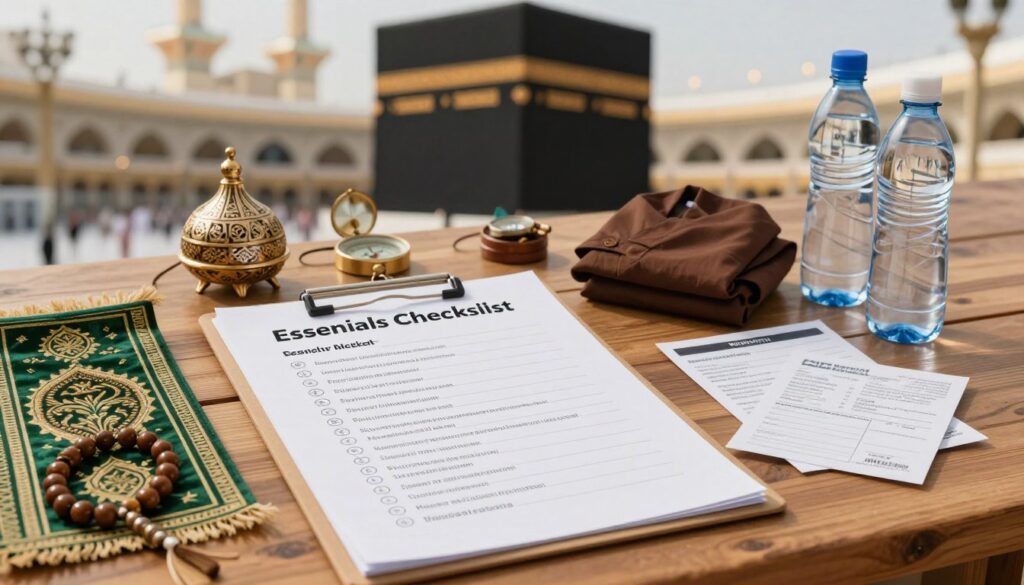
Having a solid umrah essentials checklist prevents last-minute stress. The right items make your stay in the Kingdom more comfortable. Here’s what to pack for your trip.
Clothing and Ihram Garments
Men need two unstitched white sheets for Ihram. It’s smart to pack two sets in case one gets dirty. Choose simple, comfortable clothes.
Women should wear loose, modest clothes that follow religious rules. A good, breathable abaya is a must. Make sure your shoes are comfy for walking.
Personal Care and Health Supplies
Your health is most important during the pilgrimage. Carry a small kit with basic medicines like pain relievers and blister plasters. Don’t forget unscented soap and shampoo, important while in Ihram.
Staying Hydrated and Healthy
The climate can be tough, so staying hydrated is key. Bring a reusable water bottle for Zamzam water. Drinking water regularly keeps your energy up during the rituals.
| Category | Item Type | Purpose |
|---|---|---|
| Clothing | Ihram Sheets | Required for Men |
| Apparel | Loose Abayas | Modesty for Women |
| Health | First Aid Kit | Emergency Care |
| Hydration | Water Bottle | Energy Maintenance |
Common Mistakes to Avoid During Your Pilgrimage
Starting your sacred journey is a big step that needs both physical and spiritual preparation. Knowing the mistakes to avoid during umrah makes your trip smoother and clearer. This way, you can keep your focus on your devotion.
Misconceptions Regarding Rituals
Many people don’t understand the rituals well. It’s important to know that women in their menstrual cycle can’t do Tawaf, Sa’i, or Salah in the mosque. Respecting these boundaries shows your commitment to the Haram’s sanctity.
Some pilgrims think certain actions are required when they’re not. Always check with trusted sources or your group leader. This helps you avoid stress and manage your energy better.
Behavioral Etiquette in the Haram
The Haram is a place of peace and reflection. It needs visitors to behave with respect. Avoid loud talks or actions that might disturb others. Keeping quiet and respectful is key to the holy site’s spiritual atmosphere.
Maintaining Focus and Patience
Crowds are common during the umrah pilgrimage process, more so in busy times. It’s easy to get overwhelmed, but losing your temper is a big mistake. Patience is your greatest asset in these situations.
Try to keep your heart on your prayers, not the chaos around you. If you get frustrated, take a breath and refocus. By being patient and humble, you turn challenges into spiritual growth opportunities.
Maximizing Your Time in the Haram
The moments you spend in the Haram are key to your pilgrimage’s true depth. By planning your easy umrah planning well, you can focus on your spiritual goals. This way, you avoid getting caught up in the stress of planning.
Organizing your schedule lets you make room for meaningful worship. This goes beyond what’s required. It’s a chance to deepen your spiritual connection.
The Importance of Friday Prayer in Haram
For many, the friday prayer in haram is a highlight. It’s a time to connect with the global Muslim community. The atmosphere of unity and devotion is special.
You should get there early to find a good spot. The sanctuary fills up quickly during this time.
Engaging in Nafl Prayers and Dhikr
Daily worship is the foundation of a transformative journey. By doing Nafl prayers and Dhikr, you stay mindful. These acts of worship keep your heart focused on the Divine, even in crowded places.
Finding Quiet Spaces for Reflection
The Masjid al-Haram has many quiet spots for reflection. These areas let you think deeply about your intentions and gratitude. While your main focus is the pilgrimage, visiting Madinah is also recommended. It adds to your spiritual journey.
Conclusion
Performing Umrah is a big change in your life. It requires true sincerity and careful planning. This ensures your focus stays on your devotion.
You now know how to go through every ritual with confidence. This knowledge brings peace of mind.
Your journey shows you want to grow spiritually. Bring patience and humility back to your life in the United States. These values will guide your actions and how you interact with others.
May your efforts be accepted by the Almighty. Let the peace in the Haram stay with you even after you return. Share your stories with your community to inspire others to start their own journey.
Start preparing today by checking your travel documents and setting your goals. Your journey to spiritual growth begins with one step. Think about your goals and prepare your soul for this blessed experience.