
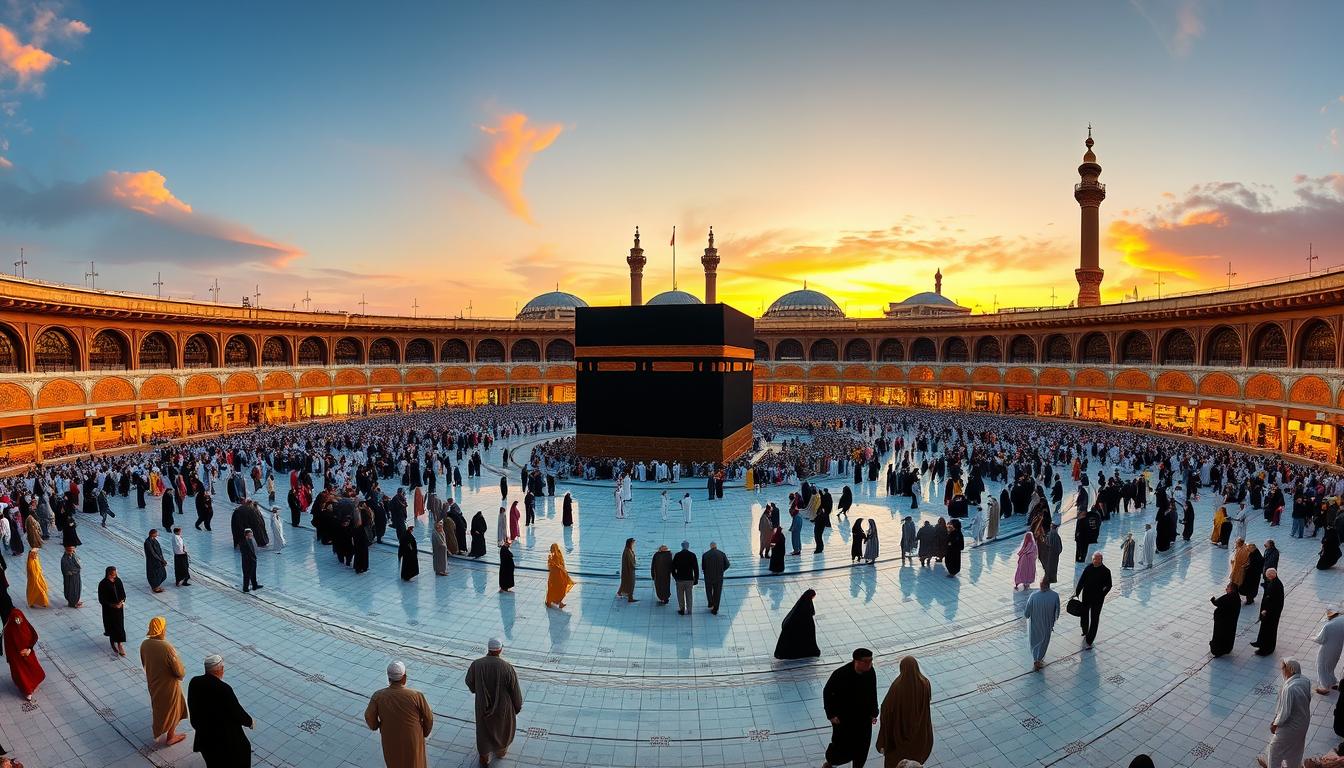
I remember standing amidst the golden sands, feeling the profound weight of history beneath my feet. My journey was not just about the rituals of umrah makkah, but about connecting with the sacred stories that shaped my faith.
Many travelers rush through their itinerary, treating holy sites like items on a checklist. However, I found that visiting makkah becomes truly transformative when you approach each location with a heart open to reflection.
This guide explores the meaningful practice of makkah ziyarat. By focusing on intention, you can turn a standard trip into a deep pilgrimage to makkah that resonates for a lifetime.
Whether you are planning your first islamic travel makkah experience or returning to these blessed lands, this resource helps you navigate the region with purpose. Let us embrace this makkah ziyarat as a path to spiritual growth and historical discovery.
Key Takeaways
- Prioritize spiritual intention over completing a checklist of sites.
- Understand the historical significance behind every location you visit.
- Plan your itinerary to allow for quiet moments of reflection.
- Respect local customs and traditions throughout your journey.
- Use this guide to navigate the region with confidence and grace.
The Spiritual Significance of Makkah Ziyarat
Embarking on a makkah ziyarat is a journey that transcends mere physical travel. I have found that the true value of this experience lies in reflection and remembrance rather than the simple completion of a checklist. By shifting my focus, I can better appreciate the profound lessons embedded in these locations.
Understanding the Purpose of Visiting Sacred Sites
Many pilgrims often feel pressured to perform specific rituals at every stop. However, I believe that sacred sites in makkah are primarily intended to serve as spaces for quiet contemplation. When we visit these areas, we are invited to connect with the formative years of our faith on a personal level.
It is important to remember that not every location requires a formal act of worship. Instead, I encourage you to use these moments to meditate on the history that unfolded before you. This mindset transforms a standard tour into a deeply personal spiritual retreat.
The Connection Between History and Faith
The spiritual weight of historical sites in makkah comes from understanding the context of each location. When I stand in these places, I am reminded of the struggles and triumphs that shaped the early Islamic community. This historical awareness bridges the gap between the past and my present devotion.
By learning the stories behind these landmarks, my faith feels more grounded and tangible. I find that connecting with the past allows me to return home with a renewed sense of purpose. Ultimately, these sites are not just monuments; they are living reminders of a legacy that continues to inspire millions today.
Preparing for Your Makkah Ziyarat Journey
I have found that the key to a meaningful experience when visiting Makkah lies in the details of your preparation. A well-organized plan allows you to focus entirely on your spiritual goals rather than logistical hurdles. By addressing practical needs early, you ensure that your time in the holy city remains peaceful and productive.
Essential Documentation and Travel Requirements
Before you depart, you must ensure that all your travel documents are current and compliant with local regulations. This includes your passport, which should have at least six months of validity, and your specific visa for the pilgrimage to Makkah. I strongly recommend keeping digital and physical copies of these documents in a secure, accessible location at all times.
Additionally, check if you need specific health certifications or vaccination records required by the authorities. Staying organized with your paperwork prevents unnecessary stress upon arrival. Having these items ready allows you to navigate entry points with confidence and ease.
Physical and Mental Preparation for the Pilgrimage
The journey often involves significant walking and, in some cases, hiking up rugged terrain to reach historical sites. I suggest starting a light exercise routine weeks before your trip to build the stamina needed for visiting Makkah. Being physically prepared helps you manage the heat and the demands of moving between various locations comfortably.
Mental preparation is equally vital for a successful pilgrimage to Makkah. It is helpful to set clear intentions and manage your expectations regarding crowds and the pace of travel. Cultivating patience will transform potential challenges into opportunities for reflection and growth throughout your stay.
Essential Tips for Navigating Makkah Holy Sites
Efficiently exploring the makkah holy sites is essential for maintaining your spiritual focus throughout the trip. I have found that a well-structured plan allows me to move between locations with ease and grace. By prioritizing preparation, you can ensure that your time remains dedicated to reflection rather than logistical stress.
Best Times of Day to Visit
The climate in the region can be quite intense, making timing a critical factor for your comfort. I highly recommend scheduling your visits during the early morning hours or late afternoon. These windows allow you to avoid the peak heat of the midday sun, which is vital for preserving your physical energy.
Visiting during these cooler periods also provides a more serene atmosphere for prayer and contemplation. You will find that the crowds are often thinner, allowing for a more personal connection with the historical significance of each location.
| Time of Day | Temperature | Crowd Level | Best For |
|---|---|---|---|
| Early Morning | Mild | Low | Reflection |
| Midday | High | Moderate | Resting |
| Late Afternoon | Moderate | Moderate | Exploration |
Managing Crowds and Staying Hydrated
Navigating the makkah holy sites requires a proactive approach to your physical well-being. I always carry a reusable water bottle to ensure I stay hydrated throughout the day. Dehydration can quickly fatigue even the most dedicated pilgrim, so make it a priority to drink water regularly.
“The journey of a thousand miles begins with a single step, but the journey of the heart requires patience and steady endurance.”
When dealing with large crowds, I suggest moving at a steady, calm pace. Avoid rushing, as this can lead to unnecessary exhaustion and frustration. By staying mindful of your surroundings and maintaining a positive mindset, you can navigate these sacred spaces with the respect and focus they deserve.
Exploring the Cave of Hira and Jabal al-Noor
My journey to the outskirts of Makkah brought me to the base of a mountain that changed the course of human history forever. Among the many makkah holy sites, this location stands out as a place of profound reflection and spiritual awakening. Even from the bottom, the sheer presence of jabal al-noor commands respect and quiet contemplation.
The Historical Importance of the First Revelation
The mountain is home to the cave of hira, the secluded spot where the Prophet Muhammad (peace be upon him) received the first revelation from Allah. This event marked the beginning of his prophethood and the descent of the Quran. It is truly humbling to stand near the place where the message of Islam first touched the earth.
For those who find the physical climb too demanding, the spiritual value remains undiminished. You can sit at the base of the mountain, recite prayers, and reflect on the historical weight of this site. The connection to faith is felt through the heart rather than the physical exertion of the hike.
Hiking Tips for Jabal al-Noor
If you decide to make the ascent, preparation is key to a successful experience. The path is steep and requires a steady pace to manage the elevation gain effectively. I recommend the following tips to ensure your journey is as smooth as possible:
- Start your hike during the early morning hours to avoid the intense midday heat.
- Wear sturdy, comfortable footwear with good grip to navigate the rocky terrain.
- Carry a lightweight backpack with plenty of water and light snacks for energy.
- Maintain a slow, consistent rhythm to preserve your stamina throughout the climb.
Safety Precautions for the Ascent
Safety must always be your top priority when navigating the rugged trails of the cave of hira. The path can be uneven, and loose stones are common along the route. Always stay on the marked trail to avoid getting lost or wandering into dangerous areas.
If you feel exhausted or dizzy, do not hesitate to stop and rest in the shade. It is better to take your time than to push yourself beyond your physical limits. By staying mindful of your surroundings, you ensure that your visit to this sacred mountain remains a safe and memorable part of your pilgrimage.
Understanding the History of Jabal al-Thawr
Among the many makkah holy sites, few locations carry as much emotional weight as Jabal al-Thawr. This mountain serves as a silent witness to one of the most pivotal moments in Islamic history. As I reflect on my travels, I find that visiting these historical sites in makkah offers lessons that transcend time and space.
The Significance of the Cave of Thawr in Islamic History
The Cave of Thawr is famously known as the sanctuary where the Prophet Muhammad and his companion, Abu Bakr, sought refuge during their migration to Madinah. They spent three days hidden within this small, rugged cave while evading those who sought to stop their journey. This event is a powerful reminder of the importance of trust in Allah during moments of extreme uncertainty.
The cave represents more than just a physical shelter; it symbolizes the strength of companionship and unwavering faith. When I consider the challenges they faced, I am reminded that true success often requires patience and reliance on divine guidance. It is a humbling experience to stand near a place that played such a critical role in the foundation of the faith.
Planning Your Visit to the Mountain
If you plan to visit Jabal al-Thawr, you must approach the experience with both physical preparation and a respectful mindset. The climb can be demanding, so I recommend starting your journey early in the morning to avoid the intense heat of the day. Always carry plenty of water and wear appropriate footwear for rocky terrain.
Patience is essential when navigating the path, as the ascent requires steady effort. Remember that you are visiting a site of great historical importance, so maintain a quiet and respectful demeanor throughout your visit. By preparing properly, you ensure that your time at this mountain remains a meaningful and spiritual highlight of your trip.
| Site Name | Historical Context | Difficulty Level |
|---|---|---|
| Jabal al-Thawr | Prophet’s Migration | Moderate to High |
| Jabal al-Noor | First Revelation | High |
| Jannat al-Mualla | Historical Cemetery | Low |
Visiting Other Significant Historical Sites in Makkah
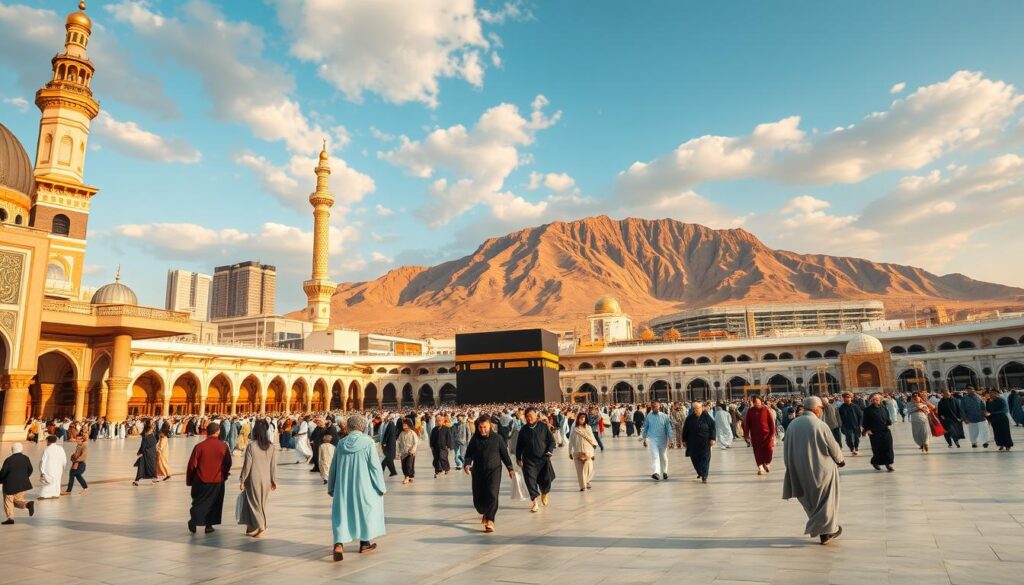
Exploring the lesser-known sacred sites in makkah allowed me to appreciate the city’s rich spiritual legacy. While the main landmarks often draw the largest crowds, these additional locations offer a quiet space for reflection. I found that visiting makkah is truly a journey through time, where every corner holds a piece of history.
Jannat al-Mualla Cemetery
Jannat al-Mualla is one of the most revered historical sites in makkah. This ancient cemetery serves as the final resting place for many of the Prophet’s ancestors and companions. Walking near its perimeter, I felt a profound sense of solemnity and peace.
When you visit this location, please keep the following in mind:
- Maintain a quiet and respectful demeanor at all times.
- Refrain from loud conversations or disruptive behavior.
- Remember that this is a place of burial and deep historical reverence.
Masjid al-Jinn and Its Historical Context
Another essential stop for those visiting makkah is the Masjid al-Jinn. This mosque marks the spot where a group of Jinn reportedly listened to the recitation of the Quran. It stands as a unique reminder of the diverse spiritual encounters that define the early history of Islam.
The mosque is located near the Jannat al-Mualla cemetery, making it easy to include in your itinerary. I encourage you to approach these sacred sites in makkah with an open heart and a quiet mind. By doing so, you will gain a much deeper understanding of the profound heritage that continues to shape the city today.
Logistics and Transportation for Makkah Pilgrimage Tours
Organizing your travel arrangements effectively can transform your spiritual journey into a seamless adventure. When I plan my own makkah ziyarat, I find that the right logistical choices make a significant difference in my overall comfort. Whether you are a first-time visitor or a seasoned traveler, understanding your options is essential for a stress-free experience.
Choosing Between Private Tours and Group Travel
Deciding between a private makkah tour and a group package depends largely on your personal preferences and budget. Group travel often provides a sense of community and is generally more cost-effective for those looking to share expenses. These packages usually include pre-arranged transport, which removes the burden of planning from your shoulders.
On the other hand, private makkah pilgrimage tours offer unparalleled flexibility and privacy. You can set your own pace, spend more time at specific historical sites, and avoid the constraints of a rigid schedule. While these options often come at a higher price point, the convenience of a dedicated vehicle and guide is invaluable for many pilgrims.
Navigating Local Transportation Options
Once you arrive, navigating the city requires a clear understanding of local transport. Taxis and ride-sharing apps are widely available and offer a convenient way to reach various holy sites. I always recommend downloading reliable local apps before you depart to ensure you can book rides with ease.
Public buses also serve major routes, providing an affordable alternative for those who prefer to travel like a local. Regardless of your choice, always confirm the fare before starting your journey to avoid any confusion. Proper planning ensures that your focus remains on the spiritual significance of your makkah ziyarat rather than the stress of transit.
| Travel Mode | Flexibility | Estimated Cost | Best For |
|---|---|---|---|
| Group Tour | Low | Budget-Friendly | Social Pilgrims |
| Private Car | High | Premium | Families/Couples |
| Ride-Sharing | Medium | Moderate | Independent Travelers |
Cultural Etiquette and Respect at Sacred Sites
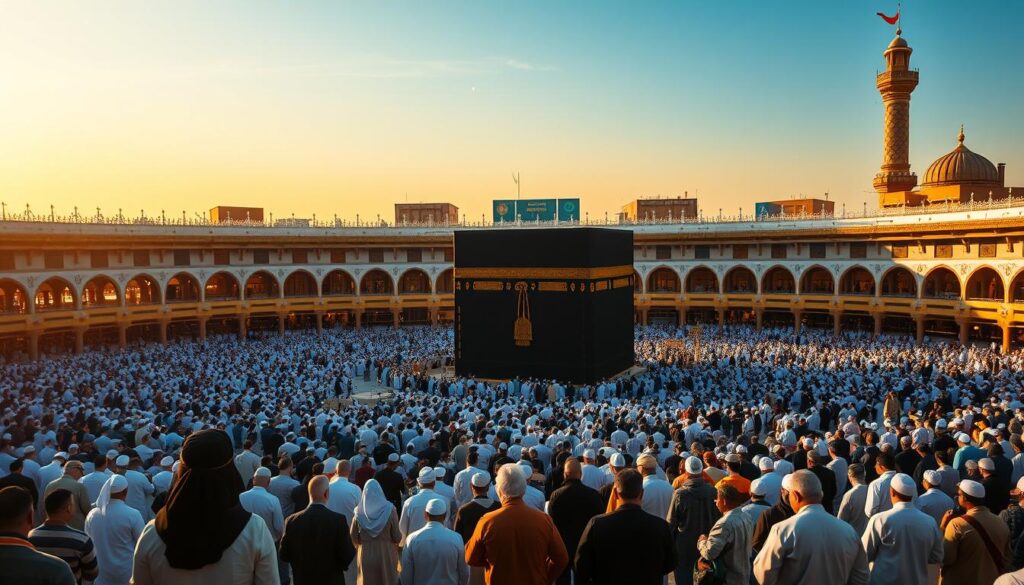
When I walk through the historic paths of Makkah, I am always reminded that my behavior reflects my respect for these holy grounds. Visiting the sacred sites in Makkah is a profound experience that requires a high level of mindfulness. By observing local customs, I ensure that my presence honors the deep religious history of the region.
Dress Code and Behavioral Expectations
Maintaining a modest appearance is a vital part of showing reverence while visiting the sacred sites in Makkah. Both men and women should wear loose-fitting clothing that covers the body appropriately according to Islamic traditions. This simple act of modesty helps create a unified and respectful atmosphere for all pilgrims.
Beyond clothing, my demeanor plays a significant role in how I interact with these spaces. I strive to keep my voice low and avoid unnecessary chatter, especially near areas of prayer. Consider these essential behavioral guidelines:
- Maintain silence: Keep conversations quiet to allow others to focus on their worship.
- Respect prayer spaces: Avoid walking directly in front of someone who is currently praying.
- Follow gender guidelines: Be aware of designated areas for men and women to ensure comfort for everyone.
Preserving the Sanctity of Historical Locations
The sacred sites in Makkah are not just tourist destinations; they are places of immense spiritual weight. I make it a priority to leave these areas exactly as I found them. This means I never leave trash behind and I avoid touching or leaning on historical structures that may be fragile.
Photography is another area where I exercise caution. While capturing memories is natural, I always check for signs that prohibit photography to avoid disturbing those in deep reflection. By being thoughtful and observant, I contribute to the preservation of these sites for future generations of pilgrims.
Ultimately, my goal is to ensure that my visit remains focused on spiritual growth. When I treat the sacred sites in Makkah with the dignity they deserve, I find that my entire journey becomes much more meaningful and peaceful.
Integrating Umrah Makkah with Your Ziyarat Itinerary
I often find that the most rewarding journeys to Makkah involve a seamless blend of worship and site visits. When you plan your trip, it is vital to prioritize your spiritual obligations while leaving room to appreciate the rich history of the region. By organizing your time effectively, you can ensure that your pilgrimage to makkah remains a deeply personal and peaceful experience.
Balancing Rituals with Sightseeing
One of the most effective ways to manage your time is by utilizing specific locations for additional worship. For instance, visiting Masjid Ayesha allows you to enter the state of Ihram for an additional umrah makkah if you feel physically and mentally prepared. I recommend scheduling these intense periods of worship during the cooler hours of the day to maintain your energy levels.
It is important to remember that your spiritual well-being should always come first. Do not feel pressured to visit every historical site in a single day. Instead, focus on quality over quantity to ensure that each moment of your islamic travel makkah journey feels meaningful and intentional.
Creating a Balanced Schedule for Your Islamic Travel Makkah Experience
To create a balanced schedule, I suggest grouping your activities by location to minimize travel time. By visiting sites that are geographically close to one another, you reduce fatigue and gain more time for reflection. This approach helps you avoid the common pitfall of rushing through sacred spaces during your pilgrimage to makkah.
I also find that building in “rest blocks” is essential for a successful umrah makkah experience. Use these breaks to reflect on the history you have encountered or simply to enjoy the atmosphere of the city. A well-structured plan is the foundation of a truly transformative islamic travel makkah adventure, allowing you to return home with a sense of peace and accomplishment.
Conclusion
Your path through these holy lands represents a deeply personal commitment to faith and history. I encourage you to view every makkah tour as an opportunity for quiet reflection rather than a simple checklist of landmarks. Sincerity remains the most vital component of your experience.
Focusing on the quality of your prayers and the depth of your contemplation will transform your umrah makkah into a lasting memory. You gain more by understanding the stories behind each site than by rushing between locations. A balanced approach ensures that your energy stays directed toward spiritual growth.
Selecting the right makkah pilgrimage tours allows you to move at a pace that honors the sanctity of the environment. I believe that true islamic travel makkah happens when you connect your heart to the legacy of the prophets. May your time in these blessed spaces bring you peace and clarity.
Share your experiences with others to keep the spirit of this journey alive long after you return home. Your insights help future travelers prepare for their own meaningful visits. I hope this guide serves as a reliable companion as you navigate your unique path of devotion.