
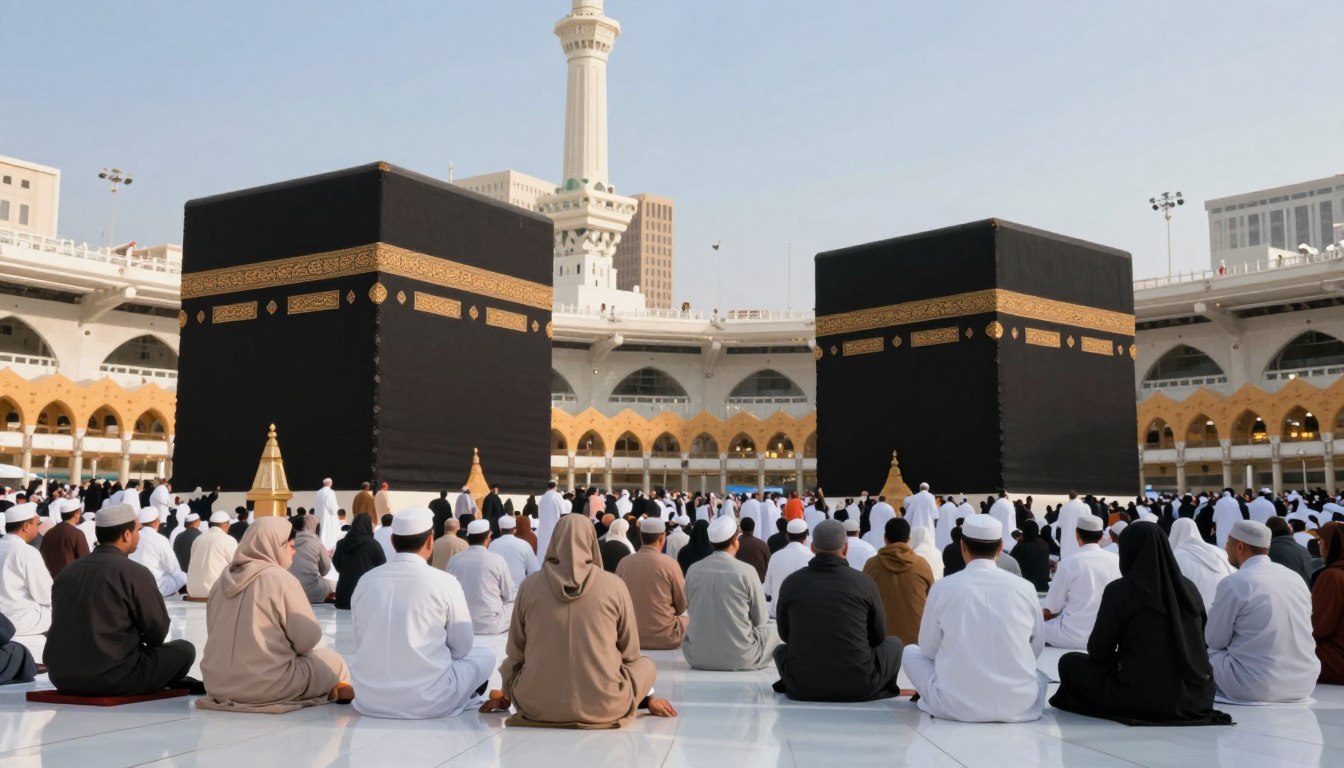
Have you ever felt a deep, quiet pull toward Makkah? For many, the urge to go on a spiritual journey is life-changing. Whether it’s your first time or you want to learn more, understanding the Difference Between Hajj & Umrah is key.
These pilgrimages offer different ways to connect with the Divine. One is a must for believers, while the other is a choice. Knowing these differences helps you prepare with clarity and calm.
We’ll explore the rituals, timing, and spiritual meaning of each journey. Proper preparation ensures your time in the holy places is for worship and growth.
Key Takeaways
- Hajj is a mandatory pillar of Islam for those who are physically and financially able.
- Umrah is a voluntary pilgrimage that can be performed at any time of the year.
- The rituals for both journeys share similarities but differ significantly in duration and intensity.
- Proper planning helps you navigate the logistical requirements of your sacred trip.
- Both experiences provide a unique opportunity for spiritual renewal and reflection.
Understanding the Spiritual Significance of Pilgrimage
Your journey to Makkah is a chance to purify your heart and find peace. Both hajj and umrah are acts of worship that draw you closer to Allah. By leaving your daily life behind, you open your soul to a deep spiritual transformation.
The Concept of Ihram and Intention
Your journey starts with Ihram, a sacred state. You must set a pure intention, or Niyyah, before arriving. Wearing Ihram clothes helps you focus on your devotion, leaving worldly status behind.
This state of equality is key when looking at hajj and umrah distinctions. It shows that all pilgrims are equal before Allah. This equality helps you approach your rituals with humility and sincerity.
Seeking Spiritual Renewal in Makkah
Makkah is a place of deep spiritual renewal. Performing these rituals cleanses your heart and resets your path. Many find lasting comfort and peace after returning home.
Reflecting on hajj and umrah distinctions shows both paths aim for spiritual purification. Whether it’s the major pilgrimage or the minor one, the goal is to strengthen your bond with the Divine. The table below shows the spiritual aspects of these journeys.
| Spiritual Aspect | Hajj Focus | Umrah Focus |
|---|---|---|
| Primary Goal | Obligatory Devotion | Voluntary Renewal |
| State of Being | Deep Humility | Spiritual Cleansing |
| Outcome | Forgiveness | Inner Peace |
The Core Difference Between Hajj & Umrah
Many people get confused between Hajj and Umrah. But knowing the Difference Between Hajj & Umrah is key for your spiritual journey. Both pilgrimages take you to Makkah, but they have different roles in your faith. Understanding these differences helps you prepare properly.
Defining the Obligatory Nature of Hajj
Hajj is a fundamental duty for Muslims. If you can, you must go at least once. This makes Hajj a big deal, unlike Umrah, which is optional.
Hajj’s timing is fixed in the Islamic calendar. You’ll join millions of others during this time. It’s a major step in your spiritual path.
The Voluntary Nature of Umrah
Umrah, on the other hand, is encouraged but not required. It’s a chance for spiritual renewal. Unlike Hajj, Umrah can be done at any time.
You can go for Umrah whenever you want. It fits into your life better. You can go many times, making it a great way to reconnect with your faith.
| Feature | Hajj | Umrah |
|---|---|---|
| Religious Status | Mandatory (Pillar) | Voluntary (Sunnah) |
| Frequency | Once in a lifetime | Multiple times allowed |
| Timing | Fixed dates | Any time of year |
| Hajj and Umrah comparison | High intensity | Flexible duration |
Knowing the key differences hajj umrah helps plan your trip. Whether it’s a lifelong duty or a spiritual retreat, being clear is important.
Essential Rituals and Steps of Hajj
Understanding the Hajj’s path helps you navigate this life-changing journey with clarity and devotion. Many people compare the hajj umrah contrast to choose their journey. But, the Hajj is a detailed, multi-day commitment with a specific sequence of sacred events.
The Days of Hajj: From Mina to Arafat
Your journey starts in Mina, where you spend the first day in prayer and reflection. Then, you move to the Plain of Arafat, the most critical day of the pilgrimage.
After Arafat, you go to Muzdalifah to spend the night under the stars. Then, you return to Mina for the symbolic stoning of the pillars. This act remembers Prophet Ibrahim’s steadfastness.
Performing Tawaf al-Ifadah and Sa’i
After the desert days, you head to the Sacred Mosque in Makkah. There, you do Tawaf al-Ifadah, circling the Kaaba seven times. This is a key pillar of your pilgrimage.
Next, you do Sa’i, walking between Safa and Marwa hills. This reminds us of Hajar’s search for water. By doing these steps, you complete the Hajj, marking its successful end.
Essential Rituals and Steps of Umrah
Umrah is a journey of worship with clear, sacred actions. It’s different from the hajj umrah contrast because you can finish it in a few hours. This pilgrimage offers a deep sense of peace within the Masjid al-Haram.
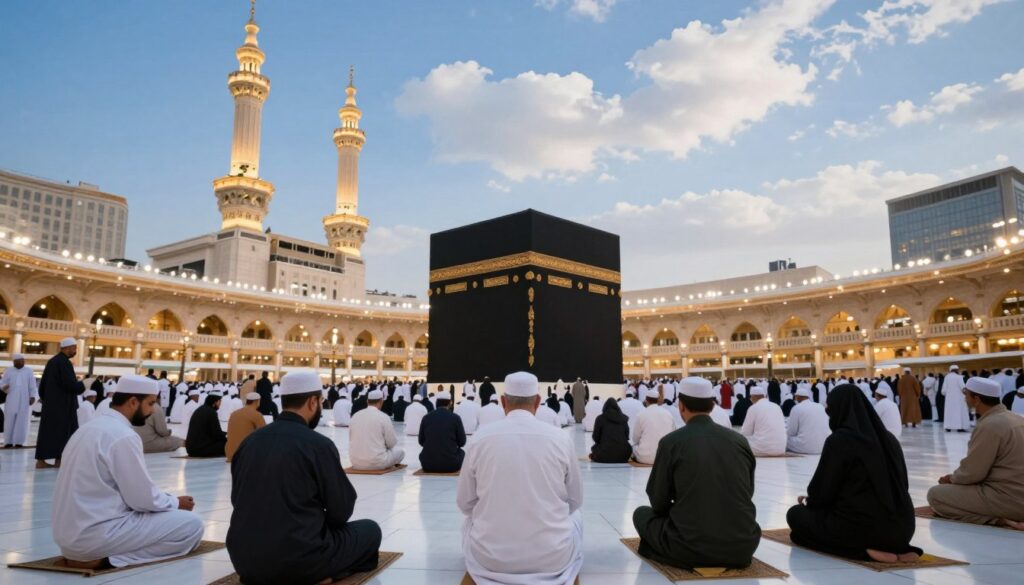
Entering the State of Ihram
Your journey starts with entering the state of Ihram. This is a state of purity and intention. Before reaching the Miqat, you must wash ritually and wear simple white clothes if you’re a man, or modest clothes if you’re a woman.
Once in Ihram, you make your Niyyah to perform Umrah. You must avoid worldly activities like cutting your hair or using scented products. This preparation is key to your visit’s spiritual focus.
Completing Tawaf and Sa’i
At the Masjid al-Haram, you’ll go to the Kaaba for Tawaf. You circle the Kaaba seven times, reciting prayers. It’s a moving experience that connects you to millions of believers.
After Tawaf, you do the Sa’i. This honors Hajar’s struggle. You walk seven times between Safa and Marwa. Here are the main steps:
- Enter Ihram: Declare your intention and observe the necessary prohibitions.
- Tawaf: Circle the Kaaba seven times with sincerity and devotion.
- Sa’i: Walk between the hills of Safa and Marwa to complete your rites.
- Halq or Taqsir: Conclude your pilgrimage by shaving or trimming your hair.
By following these steps, you can complete your spiritual duties easily. Knowing these rituals is key to understanding the hajj umrah contrast. It shows Umrah’s unique, accessible nature.
Comparing the Timeframes and Seasons
Looking at a hajj vs umrah comparison, the schedule is a big difference. Planning these journeys depends on whether you want a fixed event or a flexible travel time.
When Can You Perform Hajj?
Hajj is a pilgrimage tied to the lunar calendar. You must be in the holy lands during Dhul Hijjah’s 8th to 13th days.
These dates change every year on the Gregorian calendar. You need to plan your leave and travel well in advance. Missing these days means you can’t complete the Hajj for that year.
The Flexibility of Performing Umrah Year-Round
Umrah, unlike Hajj, lets you choose when to go. You can perform it at almost any time of the year.
This flexibility is great for those with busy lives. You can pick a cooler month or travel during a holiday. You decide when to start your spiritual journey.
While Hajj has a strict schedule, Umrah lets you seek spiritual renewal whenever you want. This choice often influences pilgrims in the United States.
Mandatory Requirements and Legal Status
Many travelers often overlook the specific eligibility rules that define the key differences hajj umrah. Before you embark on your sacred journey, it is essential to understand the criteria set forth by Islamic tradition. Proper preparation ensures that your pilgrimage is both valid and spiritually fulfilling.
Conditions for Hajj Eligibility
Hajj is a fundamental pillar of Islam, and it is mandatory for every Muslim who meets specific criteria. To be eligible, you must be an adult, of sound mind, and possess the physical health required to complete the rigorous rituals. You also need to have the financial means to cover your travel expenses and provide for your family during your absence.
If you are physically or financially unable to perform the journey, the obligation is temporarily lifted. It is important to approach this commitment with sincerity and full awareness of your personal circumstances. When you meet these conditions, the pilgrimage becomes a lifelong duty that you should strive to fulfill.
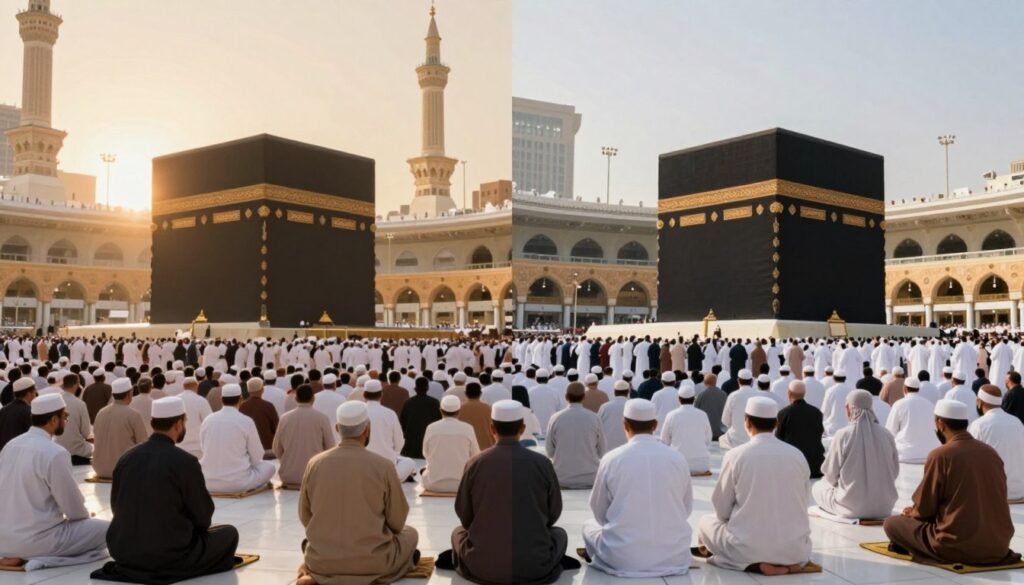
Prerequisites for Umrah Pilgrims
While Umrah is a voluntary act of worship, it requires careful planning and adherence to sacred rules. Unlike the obligatory nature of Hajj, Umrah can be performed at any time of the year. You must enter the state of Ihram with the correct intention before crossing the designated boundary, known as the Miqat.
You should ensure that your travel documents are in order and that you have a clear understanding of the rituals involved. Even though it does not carry the same legal weight as Hajj, proper preparation is vital for a successful experience. Recognizing these key differences hajj umrah will help you approach your spiritual goals with clarity and peace of mind.
| Requirement | Hajj | Umrah |
|---|---|---|
| Legal Status | Mandatory (Fard) | Voluntary (Sunnah) |
| Timeframe | Specific dates | Year-round |
| Financial Ability | Required | Recommended |
Physical and Financial Preparation for Your Journey
Going on a pilgrimage from the United States is more than just spiritual preparation. It also needs careful planning. When you compare hajj umrah, you see big differences. Planning your finances and health will make your journey better and more fulfilling.
Budgeting for Your Trip from the United States
Planning your finances is key. Hajj costs more than Umrah because of its fixed timing and high demand. You’ll need to budget for flights, special accommodations, and travel permits.
Umrah is more flexible, letting you save by traveling during off-peak times. Proper budgeting helps you focus on worship without worrying about money. Look for travel agencies that specialize in these trips to save money.
“By failing to prepare, you are preparing to fail.”
Physical Fitness and Health Considerations
The physical demands are high, with lots of walking and standing in the heat. Start exercising months before to build your endurance. It’s a smart move.
See your doctor for vaccinations and health checks. Stay hydrated and eat well to handle the rituals. Remember, Hajj is more demanding physically because of its longer duration.
Common Similarities Between Hajj and Umrah
Looking into the similarities hajj umrah shows the unity in Makkah. These two journeys have different rules but share a deep spiritual bond. They touch the heart of every believer, whether it’s a major or minor pilgrimage.
Shared Rituals in the Sacred Mosque
Both pilgrimages focus on the Kaaba in the Masjid al-Haram. The actions you do there are very similar. These acts connect your daily life to your spiritual goals.
At the holy sites, you’ll do these key rituals:
- Tawaf: Circling the Kaaba seven times, showing complete submission.
- Sa’i: Walking between Safa and Marwa hills, remembering the search for water.
- Supplication: Praying in the most sacred places on Earth.
The Universal Dress Code of Ihram
One key similarity hajj umrah is wearing Ihram. It’s not just clothes but a mental shift to purity and humility. Wearing simple, white clothes means leaving social status behind.
This dress code makes everyone equal before God. It shows that your worldly titles don’t matter during your journey. Embracing this equality helps you connect with the Divine, no matter your background.
These shared elements make both experiences deeply meaningful. By understanding the similarities hajj umrah, you can prepare your heart for the transformative power of Makkah.
Navigating the Challenges of Your Pilgrimage
While the spiritual rewards of your journey are immense, you will encounter unique logistical hurdles along the way. Preparing for the practical aspects of your trip ensures that your focus remains on your inner growth. This way, you avoid external stressors.
Managing Crowds and Logistics
The sheer scale of the pilgrimage experience can be overwhelming, even during the peak season of Hajj. Millions of people gather simultaneously. This requires strict government management to ensure safety and order for every visitor.
When you look at the similarities hajj umrah share, you will notice that both require careful navigation of the Sacred Mosque. But, the density of the crowds differs significantly between the two. This is one of the primary hajj and umrah distinctions you should prepare for before departure.
Staying Focused on Your Spiritual Goals
It is easy to feel fatigued when dealing with travel logistics, long walks, and changing environments. To maintain your concentration, try to view every challenge as a test of your patience. See it as a chance to earn greater rewards.
Keep your itinerary organized and allow for extra time to reach your destination. By prioritizing your spiritual objectives, you can transform moments of physical exhaustion into opportunities for deep reflection and prayer.
| Feature | Hajj Logistics | Umrah Logistics |
|---|---|---|
| Crowd Density | Extremely High | Moderate |
| Time Sensitivity | Strictly Fixed | Highly Flexible |
| Preparation Level | Extensive Planning | Simplified Planning |
| Primary Focus | Ritual Completion | Spiritual Renewal |
Conclusion
Going to Makkah changes how you see life. It doesn’t matter if you’re doing the hajj or umrah. Your time there is a chance to refresh your soul.
Knowing the difference between hajj and umrah helps you get ready. Each one offers special blessings and chances to ask for forgiveness. It also helps you connect more with God.
Maybe a shorter trip is what you need now, or maybe you’re ready for the big pilgrimage. Thinking about hajj versus umrah helps you plan your trip. It makes sure it matches your spiritual goals.
Wishing you peace and growth on your travels. Your dedication to this tradition shows your strong faith.